
How Much Does It Cost to Remodel a Small Bathroom
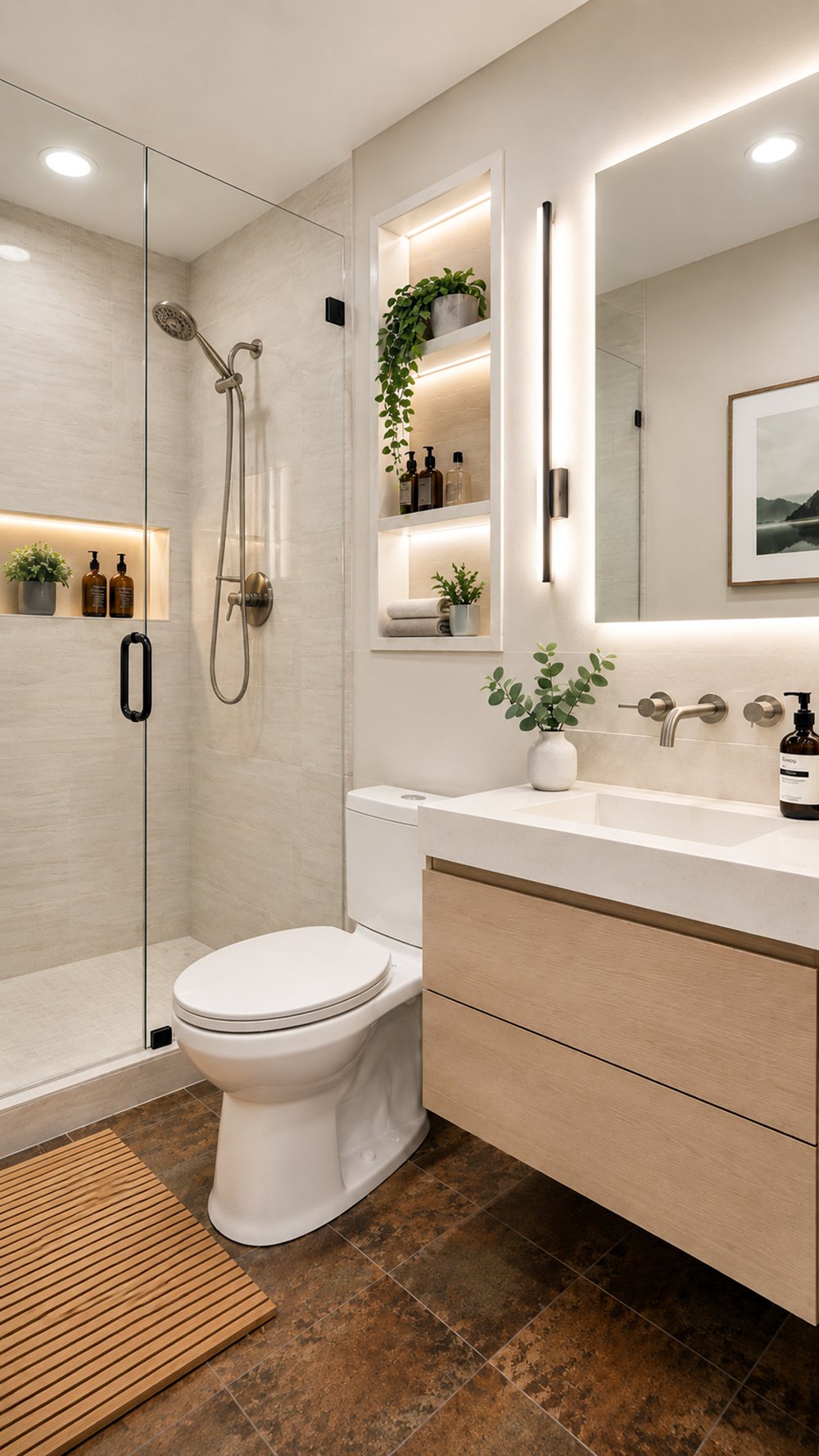
A small bathroom remodel is one of those projects that sounds simple until you start getting quotes. I learned this when my own 5×8 hall bathroom needed work — what I assumed would be a quick $5,000 refresh turned into a crash course in where the money actually goes. The good news: small bathrooms are the cheapest rooms to remodel, and with smart choices, you can get a dramatic transformation without a dramatic bill.
Here’s an honest breakdown of what it costs to remodel a small bathroom in the US, what drives the price up or down, and where to save.
How Much Does It Cost to Remodel a Small Bathroom?
For a typical small bathroom (around 40–60 square feet), expect to pay $8,000 to $15,000 for a full professional remodel in most US markets. A basic cosmetic refresh — new paint, fixtures, and hardware without moving plumbing — can run $3,000 to $7,000. A high-end remodel with custom tile work, a frameless glass shower, and premium fixtures can push past $20,000, even in a small space.
Costs vary significantly by region. Major metro areas on the coasts run 20–40 percent above the national average, while smaller Midwestern and Southern markets often come in below it. Labor typically accounts for 40–60 percent of the total, which is why DIY can cut costs so dramatically.
Where the Money Goes: Cost Breakdown
Here’s roughly how a mid-range $12,000 small bathroom remodel breaks down:
- Labor (plumbing, electrical, tile, general): $4,500–$6,000. Plumbing and electrical must meet code, and in many areas require licensed pros.
- Tile (floor and shower): $1,500–$3,000 for materials plus installation. Tile labor is expensive because it’s slow, skilled work.
- Vanity, sink, and faucet: $600–$1,500. A stock vanity from a home center keeps this low; custom or furniture-style pieces push it up.
- Toilet: $200–$600 installed. A straightforward swap is one of the cheapest upgrades.
- Shower/tub fixtures and enclosure: $800–$2,500 depending on whether you’re reglazing, replacing, or going frameless glass.
- Lighting, mirror, and accessories: $300–$800.
- Paint and miscellaneous: $200–$400.
The single biggest cost driver is moving plumbing. Relocating a toilet or shower drain can add $1,000–$3,000 per fixture because it means opening floors and rerouting pipes. Keep the layout the same and you keep thousands in your pocket.
How to Save Without Cutting Corners
The smartest savings don’t compromise quality — they just avoid paying for things that don’t matter:
- Keep the layout. As noted, this is the number-one money saver.
- Choose a prefabricated shower or tub surround instead of custom tile — it can save $1,500+ and installs in a day.
- Shop stock vanities and fixtures from home centers rather than showrooms. The quality gap has narrowed enormously.
- Do the demolition and painting yourself. Demo is satisfying, low-skill work that saves $500–$1,000.
- Reglaze instead of replacing. A worn tub or tile can be professionally reglazed for $400–$800 versus thousands to replace.
- Get at least three quotes. Bids for the same job routinely vary by 30 percent or more.
If a full remodel isn’t in the budget right now, our guide to updating bathroom fixtures without a full remodel covers high-impact changes for a fraction of the cost. And if storage is your main complaint, see how to add more storage to a small bathroom before you commit to construction.
DIY vs. Hiring a Contractor
Handy homeowners can DIY the cosmetic portions — demolition, painting, installing a vanity, swapping faucets and light fixtures — and save 30–50 percent. But hire licensed pros for plumbing rough-in, electrical work, and waterproofing. A leaking shower pan behind beautiful tile is a $10,000 mistake; the pro’s warranty is worth it.
If you’re hiring out the whole job, vet carefully. Get references, verify licensing and insurance, and never pay more than 10–30 percent upfront. Our detailed guide on choosing the right contractor for a home renovation walks through the entire vetting process.
What About Resale Value?
Bathroom remodels recoup roughly 60–70 percent of their cost at resale, according to Remodeling Magazine’s Cost vs. Value report — one of the better returns among interior projects. But don’t over-improve: a $25,000 bathroom in a $200,000 neighborhood won’t pay back. Match the remodel quality to your home’s value and neighborhood standards.
Timeline: How Long Does a Small Bathroom Remodel Take?
A professional crew typically completes a small bathroom remodel in 2 to 4 weeks. Here’s the rough sequence: demolition (1–2 days), plumbing and electrical rough-in (2–4 days), inspections (variable — this is where delays happen), drywall and waterproofing (3–5 days), tile work (4–7 days, the longest phase), fixture installation (2–3 days), and finishing touches (1–2 days).
DIY timelines stretch considerably — a weekends-only DIYer should plan on 6 to 12 weeks. The biggest schedule killers are material delays (order tile, vanity, and fixtures before demolition starts), inspection scheduling, and discovering water damage or mold behind walls, which is common in older bathrooms. Build a 20 percent time buffer into any plan.
Plan for life without that bathroom. If it’s your only full bath, arrange alternatives before day one — a gym membership for showers, or a sympathetic neighbor. Living through a remodel is manageable; being surprised by it is miserable.
Permits, Inspections, and Doing It Right
Most municipalities require permits for bathroom remodels involving plumbing or electrical changes; cosmetic-only updates (paint, fixtures, vanity swaps) usually don’t. Permit fees for a small bathroom typically run $200–$500. Skipping permits to save a few hundred dollars is a classic false economy — unpermitted work can void insurance claims, complicate a future sale, and result in fines.
Your contractor should handle permit applications as part of the job — if they suggest skipping permits, that’s a red flag about the contractor, not an opportunity. Inspections happen at rough-in (before walls close) and at completion. Schedule them early in the process; inspectors’ calendars fill up, and you can’t proceed to the next phase until each inspection passes.
For authoritative guidance on what’s required in your area, check your city or county building department’s website — most now publish residential permit guides online. The National Association of Home Builders also offers consumer resources on working with remodeling contractors.
Practical Takeaway
Budget $8,000–$15,000 for a professional small bathroom remodel, keep the plumbing layout unchanged to save thousands, and DIY the cosmetic work you’re comfortable with. Get multiple quotes, hire licensed pros for plumbing and electrical, and match your spending to your home’s value. Done right, a small bathroom remodel delivers daily enjoyment and solid resale value — one of the smartest projects a homeowner can take on.







3 thoughts on “How Much Does It Cost to Remodel a Small Bathroom”