What Are the Best Paint Colors for Selling a Home
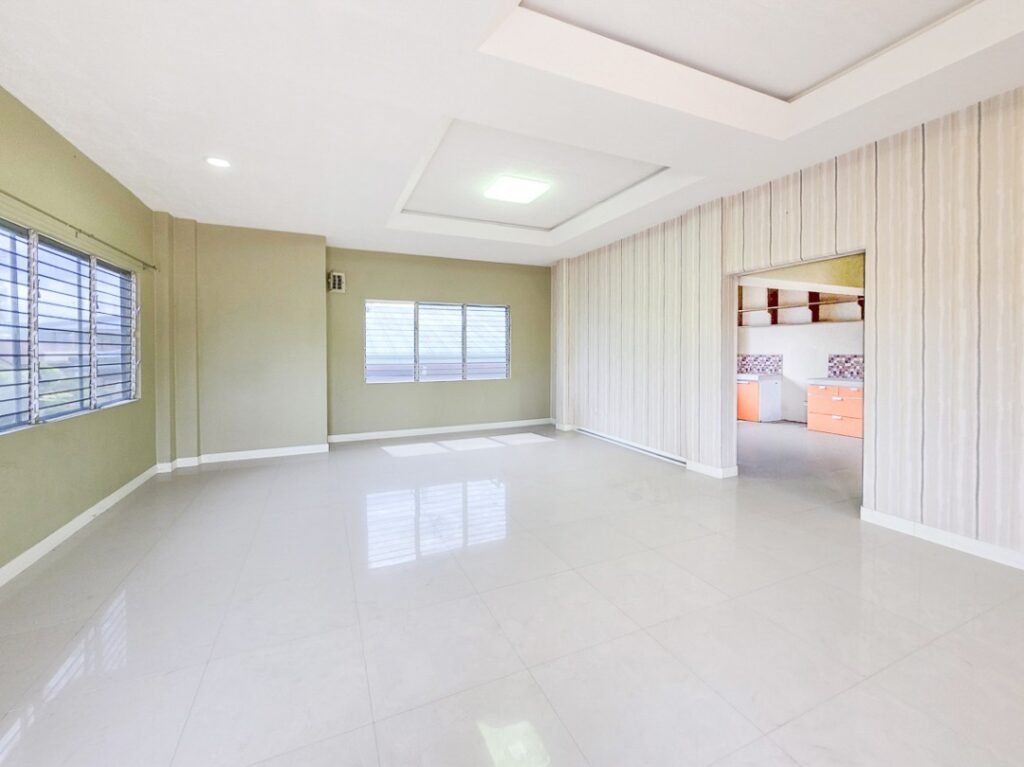
Paint color can sell a house — or stall it. I’ve toured homes where the wall color made me want to move in immediately, and others where a single aggressive color choice made me question the entire property. When you’re selling, paint isn’t about self-expression; it’s about removing objections and helping buyers picture their own lives in the space. The right neutrals do that silently. The wrong colors create work in buyers’ minds, and buyers discount for work.
Here are the best paint colors for selling a home — the shades that photograph well, appeal broadly, and make spaces feel bigger, brighter, and move-in ready.
What Are the Best Paint Colors for Selling a Home?
The principle: neutral, light, and warm wins for selling. You’re aiming for a blank canvas that feels intentional — not sterile, not stark, not personality-free, but broadly appealing. Bold colors shrink your buyer pool; neutrals expand it. This isn’t the time for your signature terracotta accent wall.
The Top Colors (By Room)
Living Areas, Hallways, and Bedrooms: Warm Whites and Greige
Warm white (not blue-white, not yellow-white) is the safest choice for main living spaces. Specific shades that consistently perform:
- Sherwin-Williams Alabaster (SW 7008): the real-estate darling — warm, soft, never stark. Works in almost any light.
- Benjamin Moore White Dove (OC-17): creamy without being yellow; sophisticated and forgiving.
- Sherwin-Williams Accessible Beige (SW 7036): the “greige” standard — warm gray-beige that works with everything.
- Benjamin Moore Edgecomb Gray (HC-173): a light warm gray that reads as neutral in any light. Hugely popular with stagers.
- Sherwin-Williams Agreeable Gray (SW 7029): despite the name, it’s a warm greige — the best-selling neutral for a reason.
These colors share traits: high light reflectance (they bounce light and make rooms feel bigger), warm undertones (they feel inviting, not clinical), and versatility (they work with any buyer’s furniture, which is exactly the point).
Kitchens: Clean Whites and Soft Neutrals
Kitchens should feel clean and bright. White or off-white walls with white cabinets are the can’t-miss combination. If cabinets are wood-toned, a warm greige or soft sage on the walls complements without competing. Avoid anything that fights with the countertops or backsplash — the kitchen has enough visual elements already.
Bathrooms: Light, Spa-Like Tones
Bathrooms sell the spa fantasy: soft whites, pale blues, light warm grays. Benjamin Moore Palladian Blue or Sherwin-Williams Sea Salt (a soft green-gray) give that calm, clean feeling buyers love. Keep it light — dark bathrooms photograph poorly and feel smaller.
Exterior: Timeless and Tidy
For the exterior, you’re not repainting the whole house (usually) — but the front door deserves a confident color: black (timeless, sophisticated), deep navy, classic red, or forest green. Studies have even correlated black front doors with higher sale prices. Touch up trim in crisp white and ensure the overall exterior reads as “maintained.” Our guide to curb appeal on a budget covers the full exterior picture.
Colors to Avoid When Selling
- Dark or saturated colors on main walls — they photograph dark, feel smaller, and scream “project” to buyers.
- Trendy bold colors (millennial pink feature walls, moody black bedrooms) — taste-specific, and buyers mentally add repainting costs.
- Primary colors — bright red dining rooms, cobalt blue bedrooms. They dominate listing photos and distract from the space.
- Muddy or dirty-looking neutrals — a beige that’s gone gray-green reads as “old,” not “neutral.” When in doubt, go lighter and cleaner.
- Different bold color in every room — the “rainbow house” effect makes the home feel chaotic and smaller. Cohesion sells.
The exception: one tasteful accent wall in a bedroom or dining room, in a muted tone (soft navy, warm charcoal), can add character without alienating buyers. But when in doubt, paint it neutral — the downside of bold is real, the downside of neutral is zero.
The Sheen Matters Too
Use eggshell or satin on walls (washable, subtle sheen, hides imperfections), semi-gloss on trim and doors (crisp contrast, durable), and flat or matte on ceilings. Freshly painted trim in bright white against neutral walls is one of the highest-impact selling details — it makes everything look crisp and new. If trim is currently stained wood, painting it white is often worth the effort for a sale.
How Much to Paint
Minimum: the main living areas, kitchen, and primary bedroom — the rooms that dominate listing photos and showings. Ideal: the entire interior in a cohesive neutral palette. A whole-house interior repaint costs $3,000–$7,000 professionally (or $500–$1,000 DIY) and is consistently cited by agents as the highest-ROI pre-listing investment. If budget is tight, prioritize rooms with the worst current colors and highest visibility.
Don’t forget: touch up scuffs and marks everywhere, even in rooms you’re not fully repainting. A $15 quart of matched paint and an hour of touch-ups removes the “worn” signals buyers notice subconsciously.
Testing Colors Before Committing
Even with neutrals, test large swatches in the actual rooms — colors shift with light direction and time of day. What looks like warm greige in the store can read pink or green in your north-facing bedroom. Paint 2×2-foot test areas, live with them for 2–3 days, and check them in morning, afternoon, and evening light. Our guide to choosing paint for dark rooms explains the light-direction effects in detail.
When NOT to Repaint Everything
Full repaints aren’t always necessary. Skip repainting if: the existing colors are already neutral and in good condition (just touch up scuffs), you’re selling a historic home where original finishes are a selling point, or the local market moves so fast that cosmetic condition barely affects price. Also, don’t paint over wallpaper as a shortcut — buyers’ inspectors flag it, and it looks exactly like what it is. And never paint in a rush the week before listing without proper prep and dry time; a sloppy paint job is worse than dated-but-tidy walls. Quality over speed, always.
Practical Takeaway
Paint main areas in warm whites or greige (Alabaster, White Dove, Accessible Beige, Edgecomb Gray), keep kitchens bright white, give bathrooms spa-like soft tones, and put a confident color on the front door. Avoid dark, saturated, or taste-specific colors. Use eggshell on walls and semi-gloss on trim. It’s the cheapest, fastest transformation in pre-listing prep — and it removes the single most common buyer objection: “we’d have to repaint everything.” Realtor.com’s selling guides confirm paint as the top ROI pre-listing project year after year.