
How Do I Know When Avocados Are Ripe
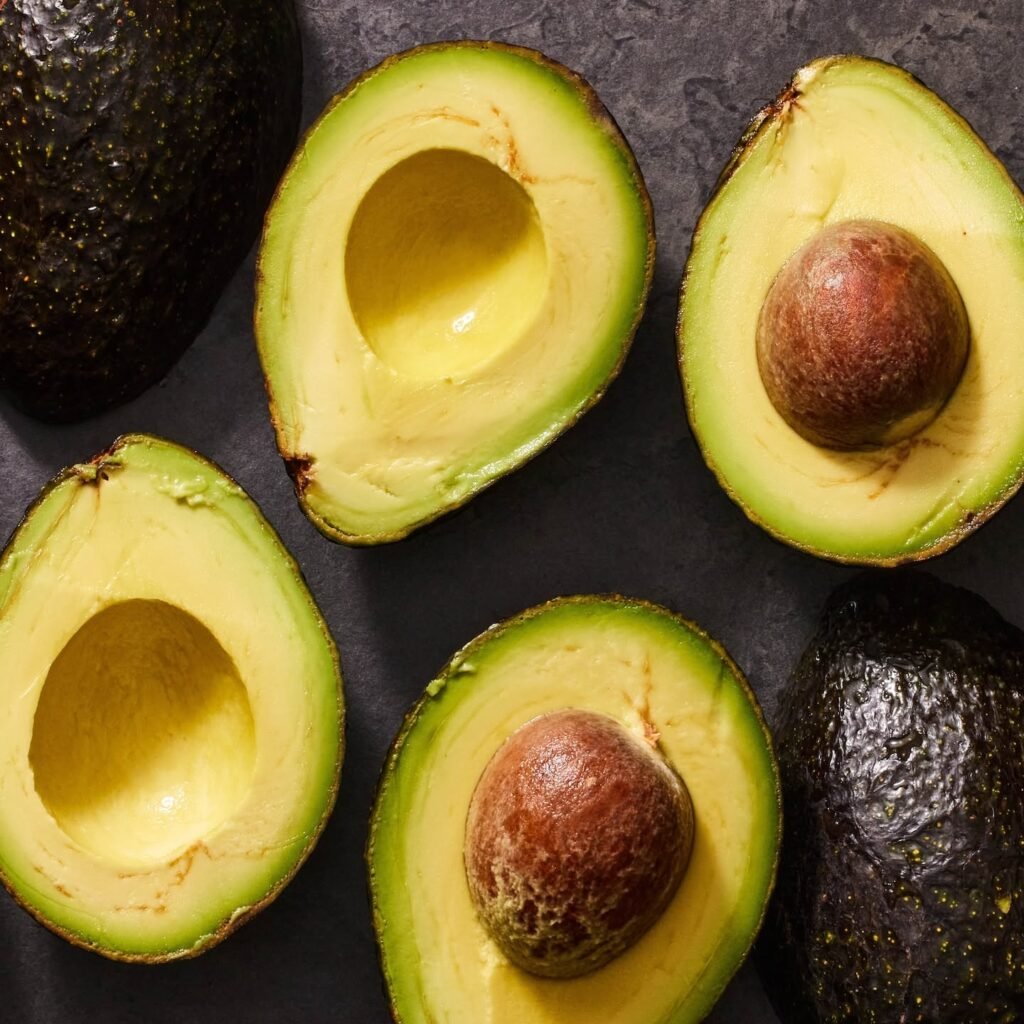
Avocados are the divas of the produce aisle — rock-hard and useless one day, perfectly ripe for about six hours, then brown mush. Everyone has an avocado horror story: the guacamole planned for tonight’s tacos, sabotaged by an avocado that’s either a green baseball or brown sludge. After years of trial and error (and many disappointing toast mornings), I’ve learned to read avocados reliably.
Here’s how to know when avocados are ripe — plus how to speed them up, slow them down, and rescue the almost-good ones.
How Do I Know When Avocados Are Ripe?
Forget color alone — it varies by variety. The reliable test is touch plus the stem check, used together. Here’s the full assessment:
The Squeeze Test (Primary Method)
Hold the avocado in your palm (not your fingertips — fingertips dent even ripe fruit) and squeeze gently:
- Rock hard, no give: unripe. Needs 3–5+ days. Don’t even bother cutting it.
- Firm with slight give: almost there — 1–2 days. Good if you’re planning ahead.
- Yields to gentle pressure, feels like the fleshy part of your palm below the thumb: perfectly ripe. Use today or tomorrow.
- Very soft, mushy, or has dents that don’t spring back: overripe. Cut it open — the flesh near the pit might still be usable, but the outer flesh is likely brown and stringy.
The key word is gentle. Squeezing hard bruises the fruit — which is why grocery store avocados are often bruised (everyone squeezes them). Be the gentle squeezer.
The Stem Test (Confirmation)
Flick off the small stem cap at the top:
- Comes off easily, green underneath: ripe and ready.
- Won’t come off or shows green but resists: not ripe yet.
- Brown underneath: overripe.
- The stem area looks sunken or moldy: past its prime — check carefully before using.
Don’t peel the stem off in the store and leave it — that’s inconsiderate (and accelerates spoilage for the next buyer). Do the squeeze test for selection; use the stem test at home.
Color Clues (Variety-Dependent)
Hass avocados (the bumpy, dark ones — 95% of what’s sold in the US) ripen from green to dark purplish-black. Deep, even dark color plus the right feel = ripe. Other varieties (Fuerte, Bacon, Zutano — smoother, greener skin) stay green when ripe — color tells you nothing, so rely entirely on touch. If you’re unsure of the variety, assume Hass (you’re probably right) but always confirm with the squeeze.
Speeding Up Ripening
Need it ripe faster? Avocados (like bananas) emit ethylene gas, which triggers ripening. Trap it:
- Paper bag method: place the avocado in a brown paper bag (not plastic — it traps moisture and causes rot) and fold closed. Ripens in 2–3 days instead of 4–5.
- Banana booster: add a banana or apple to the bag — they’re ethylene powerhouses. Can ripen an avocado in 1–2 days.
- Warm spot: room temperature, out of direct sunlight. Warmth accelerates ripening; the fridge halts it.
- Rice method: bury in uncooked rice (same ethylene-trapping principle, plus gentle warmth). Works, but the paper bag is simpler.
What doesn’t work: microwaving (cooks the outside, raw inside — terrible texture), or wishful thinking. There’s no instant method that produces good results. Plan ahead.
Slowing Down Ripening
Ripe avocado but not ready to use it? Refrigerate immediately. Cold dramatically slows ripening — a perfectly ripe avocado lasts 3–5 days in the fridge versus hours on the counter. This is the single most useful avocado fact: ripen on the counter, store ripe ones in the fridge.
For a cut avocado: leave the pit in the unused half (it only protects the flesh directly underneath it, but every bit helps), squeeze lemon or lime juice over the exposed flesh (acid slows browning), press plastic wrap directly onto the surface (no air gap — air causes browning), and refrigerate. It’ll keep 1–2 days with minimal browning. The water method (submerging in water in a sealed container) works even better for 2–3 days — just pat dry before using.
Buying Strategy
Buy at mixed ripeness: grab one ripe (for tonight), two almost-ripe (for mid-week), and two hard ones (for the weekend). Stagger your supply instead of gambling on a single batch. Check the bottom — soft spots near the blossom end (opposite the stem) indicate bruising or overripeness even if the rest feels fine. And buy slightly underripe when in doubt — an avocado ripens reliably at home, but an overripe one never un-ripens.
For guacamole specifically, you want perfectly ripe, not overripe — overripe avocados make gummy, off-flavored guac. When in doubt, buy an extra; guacamole math always underestimates consumption anyway.
Using Up Ripe Avocados
More ripe avocados than you can eat? Freeze them: halve, scoop flesh into a bag with lemon juice, press flat, freeze — they keep 3–4 months and are perfect for smoothies (frozen avocado makes them incredibly creamy). Avocado toast with everything-bagel seasoning, chocolate avocado mousse (surprisingly decadent — the avocado disappears into the chocolate), or simply mashed on toast with salt and lime. Our food waste guide has more rescue strategies for produce on the edge.
Quick Store Checklist
When you’re standing at the avocado display, run through this: 1) Decide when you need it (tonight? this weekend?) and select firmness accordingly. 2) Palm-squeeze gently — never fingertip-squeeze. 3) Check for soft spots or dents, especially at the blossom end. 4) Look at color as a secondary clue (dark = riper for Hass). 5) When torn between two, pick the slightly firmer one — it ripens at home, while the softer one might already be past prime. Buy a mix of ripeness stages and you’ll always have one ready.
Practical Takeaway
Judge ripeness by gentle palm-squeeze (yields slightly = ready) confirmed by the stem test (green underneath = good). Ripen hard ones in a paper bag with a banana; slow ripe ones in the fridge. Buy at staggered ripeness, store cut halves with acid and airtight wrap, and freeze the surplus for smoothies. The avocado window is short, but with these techniques, you’ll hit it far more often than you miss it. Ripe avocados also make an excellent lunchbox addition — see our healthy snacks for kids’ lunchboxes for pairing ideas that actually get eaten. Healthline’s nutrition guides detail the impressive nutrient profile that makes avocados worth the effort.






