
How to Start a Dropshipping Store With Under $500 (Honest Guide)
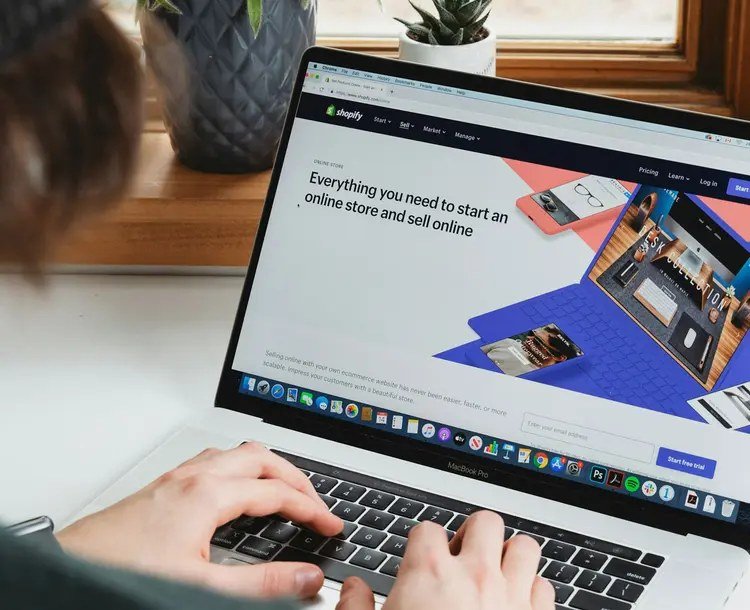
Can you really start a dropshipping store with under $500? Technically yes — the barrier to entry is genuinely low. But the gurus selling the dream skip the part where ad costs, competition, and razor-thin margins kill most stores within months.
Here’s the honest version: the real $500 budget breakdown, how to pick a niche that isn’t dead on arrival, and what it actually takes to make this work in 2026.
The short answer: yes — budget roughly $150–$200 for Shopify (3 months), $50–$100 for a domain and basic apps, $100–$200 for initial ad testing, and $0 for products (supplier ships). Pick a passionate niche with $30–$60 products, differentiate on branding, and expect to test for 2–3 months before judging results.
The Real $500 Budget Breakdown
Shopify: $39/month Basic (use the $1/month trial promos when available) — budget $120 for three months. Domain: $15/year. Essential apps: keep it minimal — a reviews app and an upsell app, many with free tiers; budget $0–$30/month. Product samples: order your hero products yourself ($50–$100) — you need to verify quality and shoot your own photos; selling products you’ve never touched is how stores die from returns.
Ad testing: $100–$200 for initial Meta/TikTok ad tests. Business basics: register the business properly when revenue starts (don’t over-invest in LLCs before validation, but don’t ignore it either). Total: $300–$500 for a genuine three-month test. What’s not in the budget: your time (substantial), and the second round of ad spend if the first tests show promise — plan for that mentally.
- Shopify 3 months: ~$120 (use trial promos)
- Domain + basic apps: $15–$60
- Product samples: $50–$100 (non-negotiable — verify quality)
- Initial ad testing: $100–$200
- Total: $300–$500 for a real 3-month test
Niche and Product Selection (Where Stores Live or Die)
The winning formula: passionate niche + $30–$60 price point + problem-solving product + light and shippable. Passionate niches (pet owners, hobbyists, new parents) buy emotionally and forgive longer shipping; $30–$60 gives you margin for ads after product cost (you need 3x markup minimum — a $10 product selling at $30 leaves ~$15 after ads if you’re good).
Avoid: electronics (returns and quality nightmares), anything Amazon sells cheaper with Prime shipping, trademarked products, health claims (regulatory risk), and saturated ‘winning products’ from guru videos — if 10,000 people saw the same video, the niche is gone. Validate with real signals: growing Google Trends, active niche communities, competitors profitably running ads (check Meta’s Ad Library — if nobody advertises it, there’s usually a reason).
Suppliers and the Shipping Problem
AliExpress/CJ Dropshipping work for testing but the 10–20 day shipping kills conversion in 2026 — customers expect Amazon speed. Better options: US/EU suppliers via Spocket, Zendrop, or Alibaba’s US warehouses (3–7 day shipping), or private-label light via a US 3PL once a product proves itself. Always order samples first — quality variance is enormous and your reviews will reflect it.
Be transparent about shipping times on the product page; surprise delays generate chargebacks that can kill your payment processing. And have a backup supplier for winners — single-supplier dependence is how a stockout ends a scaling product. The unsexy logistics work is what separates stores that last from stores that flame out after one viral product.
Why Most Dropshipping Stores Fail (Avoid These)
One: no differentiation — the same AliExpress product, same photos, same copy as 500 other stores. Fix it with real branding: your own photos, your own angle, bundled offers. Two: killing winners too early — most stores need 2–3 months of testing; judging after $50 in ads is premature, but so is spending $2,000 without a single sale. Set kill criteria in advance (e.g., test $100/product, need 2+ sales to continue).
Three: ignoring the math — know your break-even ROAS and cost per acquisition before spending; hope is not a media strategy. Four: terrible customer service — slow responses and no-refund policies generate chargebacks; great service is a competitive advantage in a space known for bad service. Five: treating it as passive — the stores that work are real businesses with real effort. Compare honestly with alternatives: for many beginners, starting on Amazon as a beginner or building a freelance service has better risk-adjusted returns than dropshipping.
How Can I Start a Dropshipping Store With Under $500 and No Ad Budget?
No ad budget changes the strategy completely — paid social is the standard dropshipping engine, so you need the organic alternative. The playbook: TikTok and Instagram Reels organic (product demo videos, problem/solution formats, behind-the-scenes — one viral video can launch a store; post 2–3x daily for 60–90 days), SEO blogging around your niche (slow but compounding and free), and Pinterest (a search engine for products where pins drive traffic for years).
Choose products that demo well on video — the organic game is won by products people watch, not products people search for. Gadgets, beauty tools, pet products, and clever problem-solvers outperform commodities. Price at $25–$50: impulse-buy territory where organic traffic converts without retargeting. And pick a real niche you can become the voice of, not a general store — ‘the camping gadget store’ with daily outdoor content beats ‘general gadgets’ with random posts.
The honest timeline: organic takes 3–6 months to judge versus 3–6 weeks for paid. Your $500 goes further (Shopify, domain, samples, apps — no ad spend), but your time investment is much higher: content creation is the job now. Set a milestone: 90 days of consistent posting, then evaluate traffic and sales honestly. If organic traction is zero after 90 real days of effort, the product or niche is wrong — pivot, don’t persist. The no-ad-budget path works, but it’s a content business that happens to sell products, so you’d better enjoy making content.
Related reading: how to start selling on Amazon as a beginner · how to price your products to make a profit
The Bottom Line
Yes, $500 starts a real 3-month test: ~$120 Shopify, $15–$60 domain/apps, $50–$100 samples (mandatory), $100–$200 ad tests. Pick passionate niches, $30–$60 products with 3x markup, US suppliers for sane shipping. Differentiate with real branding, set kill criteria before spending, and treat it as a business — because the ‘passive income’ version doesn’t exist.
Sources: Shopify: start dropshipping · Meta Ad Library






