
What to Wear to a Creative Job Interview
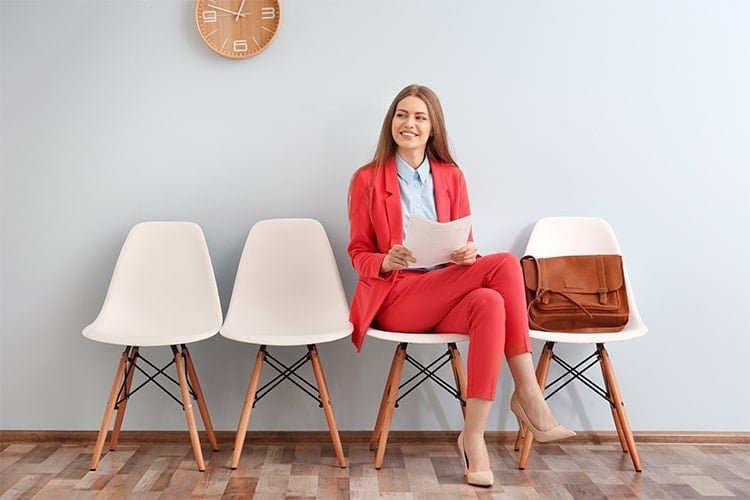
A creative job interview is a tightrope walk. Show up in a corporate suit and you look like you don’t understand the culture. Show up too casual and you look like you don’t want the job. The hiring manager is judging two things at once: can you do the work, and do you get us? If you’re asking how do I dress for a job interview in a creative field — design, media, marketing, fashion, tech startups, agencies — here’s how to thread the needle: polished enough to show respect, expressive enough to show who you are.
How to Dress for a Job Interview in a Creative Field
The golden rule: dress one notch above the company’s daily uniform, in a way that shows your taste. Research is non-negotiable — check the company’s social media, team photos, and Glassdoor for dress-code clues. A design agency where everyone wears black and interesting sneakers calls for a different outfit than a fashion startup or a corporate in-house creative team. When in doubt between two options, choose the slightly more polished one; it’s always safer to be the best-dressed person in the room than the most underdressed.
The formula that works across creative industries:
- Start with a polished base. Well-fitting trousers or dark jeans (no distressing), a crisp shirt or quality knit, a blazer or structured jacket. The base says “I’m a professional.”
- Add one expressive element. Interesting shoes, a bold accessory, an unusual color or texture, a piece with design personality. This says “I’m a creative.” One element — not five. Restraint reads as taste; overload reads as costume.
- Nail the grooming. Clean, intentional hair; neat nails; minimal but polished. Creative doesn’t mean sloppy — “effortless” still takes effort.
- Choose quality over flash. One well-made piece beats three trendy ones. Good fabric and fit telegraph seriousness in any field.
The Cut’s interview outfit advice emphasizes this same balance of personality and polish.
Outfit Formulas by Creative Sector
- Design agencies / studios: black trousers, interesting top or knit, minimalist sneakers or boots, one striking accessory. The creative uniform — intentional, architectural, confident.
- Marketing / advertising: blazer + dark jeans + polished shoe, or a midi dress with a structured jacket. Business-casual with a fashion-forward edge. Business casual done right is the baseline here.
- Fashion / retail: this is the one field where fashion-forward is expected — wear something that shows you understand current style, but keep it tasteful and interview-appropriate. Your outfit is part of your portfolio.
- Tech startups: smart casual — dark jeans or chinos, quality top, clean sneakers or casual boots. Polished but not corporate; overdressing can signal culture mismatch.
- Media / publishing: classic with personality — a well-styled blazer over something interesting, quality shoes, thoughtful accessories.
What to Avoid (the Real Mistakes)
The actual pitfalls aren’t about specific items — they’re about signals. Wrinkled or stained clothes signal carelessness in any field. Overpowering fragrance is memorable for the wrong reasons. Anything you’d wear to a club — too short, too sheer, too tight — undermines credibility instantly. Logos and graphics distract from you. Brand-new, uncomfortable shoes that make you walk strangely. And trying too hard to look “creative” — the goal is to look like yourself on your best day, not like a Pinterest board exploded. Authenticity reads; costume doesn’t.
The Details That Close the Deal
Bring a quality bag — it carries your portfolio or laptop and it’s part of the impression. Affordable handbag brands prove you don’t need designer prices for polish. Keep accessories minimal and intentional; in creative fields, one interesting piece (architectural earrings, a distinctive watch, great glasses) works as a conversation starter. Make sure everything is clean and maintained — scuffed shoes and chipped nails undermine an otherwise perfect outfit.
For video interviews, the same principles apply from the waist up, with extras: test your lighting and background, wear solid colors (patterns moiré on camera), and remember that the camera sees the top half — but stand up to greet them anyway, because you never know. The Muse’s interview outfit guide has more sector-specific examples.
After the Interview: The Follow-Up
Your outfit’s job ends when the interview does; the follow-up starts immediately. Send a thank-you email within 24 hours — reference something specific from the conversation, not generic pleasantries. If you connected on a creative level (discussed a campaign, a design problem, an idea), a brief thoughtful addition shows the kind of thinking they’d get hiring you. Connect on LinkedIn with a personalized note. And reflect: how did the outfit feel? If you were fidgeting or felt off, adjust for round two — comfort and confidence compound across interview rounds. The best-dressed candidate who seems uncomfortable loses to the well-dressed candidate who’s at ease. Every time.
What to Bring (and How to Present It)
For creative roles, your portfolio is part of your outfit — bring it polished and accessible. Physical portfolio: clean, curated, best work first. Digital: tablet charged, files organized, backup on your phone. Resumes: bring two printed copies on decent paper — even if they have it digitally, the gesture signals preparation. Questions to ask: prepare 3–4 thoughtful ones about the work, the team, the creative process — the questions you ask reveal as much as your answers. After the portfolio review: have a concise story for each piece — the problem, your thinking, the outcome. Creative interviews are conversations, not interrogations; the outfit gets you in the room comfortably, but the work and the thinking get you the offer. Dress the part, then prove it.
The Practical Takeaway
Research the company’s actual style, build a polished base, add exactly one expressive element, and groom meticulously. Lay out the full outfit — including shoes, bag, and accessories — the night before, and do a mirror check in natural light. You want the interviewer remembering your ideas and your energy, with a quiet background note of “great taste.” Dress like someone they’d be proud to introduce to a client — because that’s exactly what they’re evaluating.






