How Vaccines Train Your Immune System: The Science, Clearly
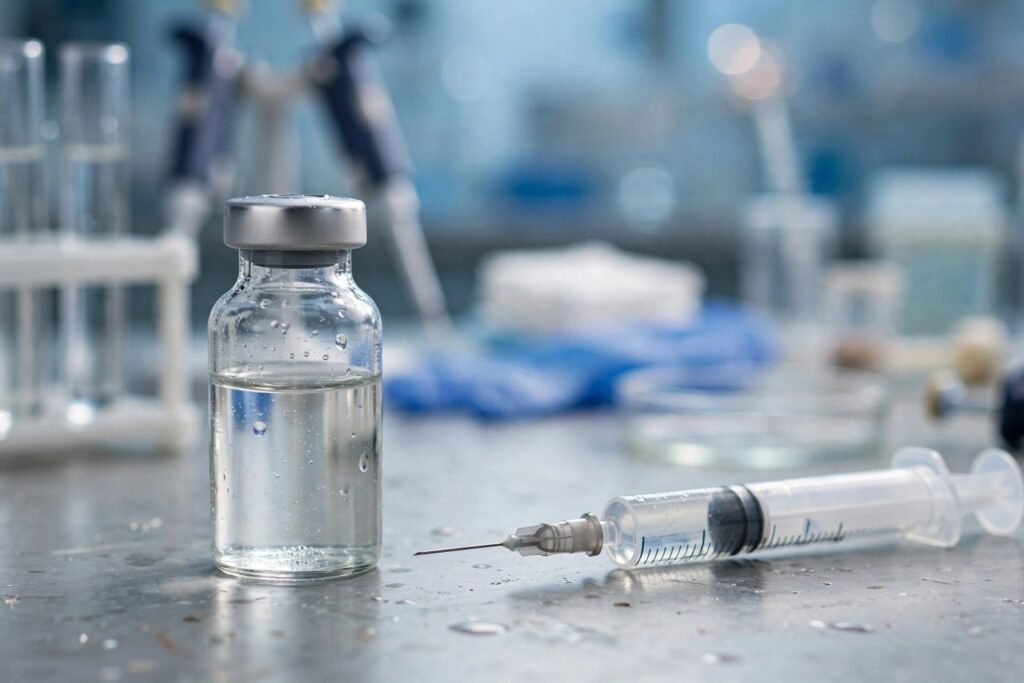
Vaccines are one of humanity’s greatest achievements — they save millions of lives every year — yet how they actually work remains mysterious to most people. “They train your immune system” is the standard explanation, but what does “training” mean at a biological level? What is being trained, how does the lesson stick, and why does that training sometimes need boosters?
Understanding the actual mechanism — not the slogan — is worth your time, because it explains everything from why vaccines do not give you the disease to why side effects are a good sign. Here is the immunology, made clear.
Your Immune System: The Two-Layer Defense
To understand training, you need the basics of the student. Your immune system has two branches. Innate immunity is the fast, generic first responder — skin barriers, inflammation, fever, and cells like macrophages that engulf anything suspicious. It reacts within minutes but has no memory and no precision.
Adaptive immunity is the slow, precise, learning branch — and it is what vaccines train. Its key players are B cells (which produce antibodies, the Y-shaped proteins that tag specific pathogens for destruction) and T cells (including killer T cells that destroy infected cells, and helper T cells that coordinate the whole response). The adaptive system’s superpower is memory: after defeating a pathogen once, it remembers the encounter for years or decades, responding vastly faster next time. Vaccines exploit exactly this mechanism — they create the memory without requiring you to survive the actual disease.
The Training Exercise: What a Vaccine Actually Contains
A vaccine presents your immune system with a safe preview of a pathogen — enough for the adaptive system to learn its features, not enough to cause disease. The preview comes in several forms: weakened live pathogens (MMR, chickenpox — too feeble to cause illness in healthy people but lifelike enough for strong training), inactivated pathogens (flu shot, polio — killed, so they cannot replicate at all), subunits or pieces (HPV, hepatitis B — just a protein fragment of the pathogen), toxoids (tetanus, diphtheria — the inactivated toxin rather than the bacteria), and mRNA or viral-vector instructions (COVID-19 vaccines — directions for your own cells to temporarily manufacture a harmless piece of the pathogen).
Every type is designed around the same principle: show the immune system the enemy’s antigens (identifying molecular features) without the enemy’s ability to harm you. The Centers for Disease Control and Prevention (CDC’s vaccine information) details how each vaccine type is tested for safety before approval.
The Lesson: How Immune Memory Forms
Here is the training sequence, step by step. Day 0: the vaccine introduces antigens. Innate immune cells notice the disturbance (aided by adjuvants, ingredients added specifically to alert the innate system — no alarm, no lesson). Days 1–7: antigen-presenting cells carry the intel to lymph nodes and show it to T and B cells. The rare B and T cells whose receptors happen to match the antigen activate and multiply furiously — a process called clonal expansion. B cells begin producing antibodies; this primary response takes a week or two and is relatively modest.
Weeks 2–4: the crucial part. Most of the expanded fighter cells die off once the “threat” clears — but a fraction transform into memory B cells and memory T cells, long-lived sentinels that persist for years. Memory B cells are antibody factories on standby; memory T cells are experienced killers awaiting recall. The real infection (months or years later): when the actual pathogen arrives, memory cells recognize it instantly and mount a massive, rapid response — antibodies flood the system in days rather than weeks, often neutralizing the pathogen before you feel sick. That is the entire trick: the second battle is fought by veterans, not recruits.
Why Side Effects Mean It’s Working (Usually)
Sore arms, fatigue, low fever, achiness after vaccination — these are not the vaccine harming you. They are the innate immune system sounding the alarm: inflammation at the injection site, fever as a deliberate defense response, fatigue as your body diverts energy to the immune effort. In other words, the training exercise is visibly underway.
Side effects typically peak within 24–48 hours and resolve quickly. And remember that vaccines target specific diseases — knowing the difference between a cold and the flu helps you understand what each vaccine actually prevents. Their absence does not mean the vaccine failed (immune responses vary), and their presence does not mean you are ill — there is no live pathogen replicating in most vaccines, so you cannot catch the disease from the shot. Severe reactions are rare and are why you wait 15 minutes after vaccination. The National Institutes of Health (NIH) funds extensive research on vaccine immune responses that continues to refine this understanding.
Why Some Vaccines Need Boosters
Immune memory is durable but not always permanent — and pathogens change. Waning memory: antibody levels naturally decline over years; boosters refresh the memory cell population (tetanus every 10 years, for instance). Mutating pathogens: influenza and coronaviruses evolve, so updated vaccines train the system on new variants — like updating the “wanted poster.” Multi-dose priming: some vaccines (hepatitis B, HPV) need a series because a single exposure does not generate robust enough memory; each dose strengthens the lesson. This is also why supporting your immune system during flu season complements vaccination — general immune health and specific immune memory work together.
Herd Immunity: Training That Protects Others
Vaccines do something no individual health measure can: when enough people are immune, pathogens cannot find susceptible hosts to spread through, and transmission chains collapse. This herd immunity shields those who cannot be vaccinated — newborns, people undergoing chemotherapy, those with immune disorders. Your vaccination is partly a community act; the training of many immune systems creates a wall that protects the vulnerable few. This is why public health officials emphasize coverage rates, not just individual choice.
Conclusion
Vaccines train your immune system by running a safe drill: presenting harmless versions of a pathogen’s identifying features, triggering the adaptive immune system’s learning machinery, and leaving behind long-lived memory cells that respond with overwhelming speed when the real threat appears. Side effects are the drill in progress; boosters are refresher training; herd immunity is the collective defense. It is an elegant hack of a system evolution spent millions of years perfecting — and understanding the mechanism reveals why this 200-year-old idea, from Jenner’s smallpox work to mRNA, remains the most powerful disease-prevention tool humanity has.
Frequently Asked Questions
Can vaccines give you the disease they’re meant to prevent?
No — with the standard vaccines, it is biologically impossible. Inactivated, subunit, toxoid, and mRNA vaccines contain no live pathogen capable of replicating. Live-attenuated vaccines use weakened pathogens that cannot cause disease in healthy immune systems.
How long does vaccine immunity last?
It varies: measles immunity is typically lifelong, tetanus needs boosters every 10 years, and flu needs annual updates due to viral mutation. Duration depends on the pathogen’s stability and how the immune memory was formed.
Why do I feel sick after a vaccine if I’m not infected?
Side effects are your innate immune system responding to the training exercise — inflammation, fever, and fatigue are signs of immune activation, not infection. They typically resolve within 48 hours.
Do I still need vaccines if I already had the disease?
Often yes. Natural infection does create immunity, but it is unpredictable in strength and duration — and surviving the disease to get it is the risk vaccines eliminate. For several diseases, vaccine-induced immunity is more reliable than natural immunity.
What are mRNA vaccines and are they different?
mRNA vaccines deliver temporary instructions for your cells to make a harmless piece of the pathogen (like the spike protein), which your immune system then learns to recognize. The mRNA degrades within days and never enters the cell nucleus or alters DNA.