Is Buying a New Car Ever a Smart Financial Move?
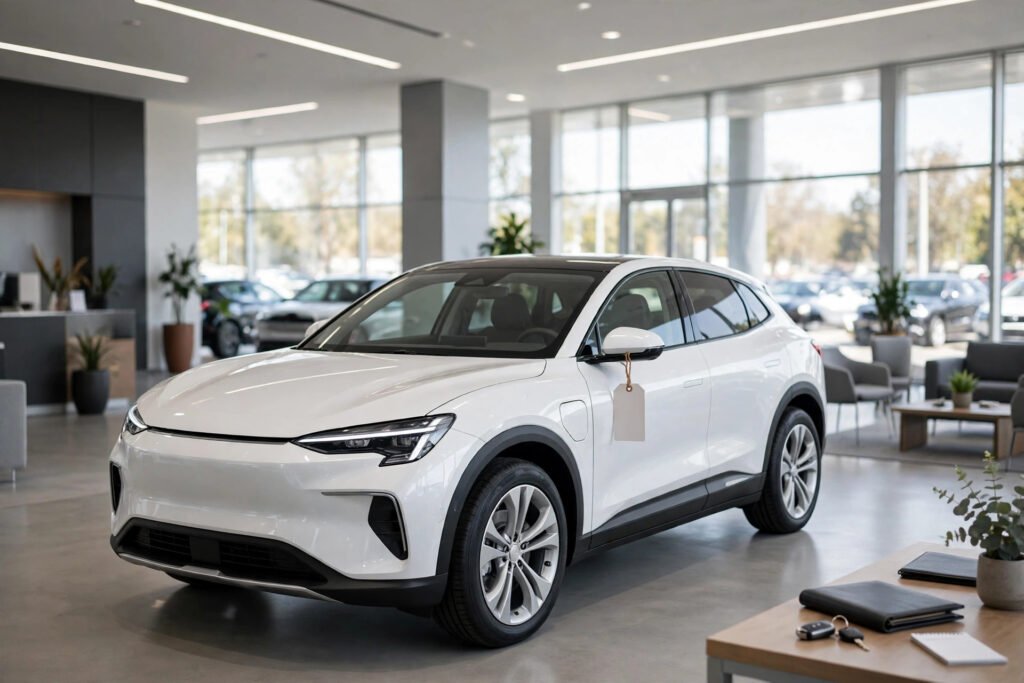
Every personal finance guru will tell you the same thing: buying a new car is financial arson — it loses 20% of its value the moment you drive off the lot, and you should buy used, always. It’s good advice… about 90% of the time. But “never buy new” is a rule of thumb, not a law of physics, and there are genuine situations where buying new is the smart financial move. Here’s the honest analysis both sides skip.
Why the conventional wisdom exists (it’s mostly right)
The case against new cars is strong and worth understanding first:
- Depreciation: new cars lose roughly 20% in the first year and ~15% annually for the next few years. A $40,000 car is worth ~$32,000 twelve months later — $8,000 vaporized.
- The 2–3 year sweet spot: a lightly used car (2–3 years old, 20,000–40,000 miles) has absorbed the steepest depreciation but retains most of its useful life, modern safety features, and often remaining warranty. Dollar for dollar, it’s usually the best value in the market.
- Insurance and taxes: new cars cost more to insure and, in many states, more in registration taxes.
- Opportunity cost: the $10,000+ premium for new versus lightly used, invested at 7% over 10 years, is ~$20,000 of future wealth per car purchase. Over a lifetime of cars, that’s six figures.
For most buyers, most of the time: buy the 2–3-year-old version. The gurus aren’t wrong — they’re just incomplete.
When buying new IS the smart move
1. When used prices are irrational (check the actual market)
Rules of thumb assume rational used markets. But markets aren’t always rational: during the 2021–2023 inventory crisis, 1–2-year-old used cars sold for more than new MSRP. When the used discount shrinks below ~15%, the new car’s full warranty, known history, and latest safety tech can make it the better buy. Always price both before deciding — the answer changes with market conditions.
2. When you keep cars for 10+ years
Depreciation matters most to frequent traders. If you buy and hold for a decade or more, the per-year cost difference between new and used shrinks dramatically — and you get the full warranty period, perfect maintenance history from mile zero, and the newest safety technology protecting your family for the entire ownership. Long-hold buyers are the best candidates for new.
3. When manufacturer incentives beat the used market
0% APR financing, cash rebates, and subsidized leases can make new cheaper than used on a total-cost basis. A new car at 0% for 60 months versus a used car at 9% APR: run the total interest — the “cheaper” used car often costs more out the door. Always compare total cost of financing, not sticker prices.
4. When reliability is non-negotiable
If you depend on your car for income (long commutes, rural areas with no alternatives, on-call jobs), the certainty of a new car — full warranty, no hidden history, no deferred maintenance from a previous owner — has real economic value. One missed week of work from a used-car breakdown can cost more than the new-car premium.
5. Electric vehicles (the math is shifting)
EVs change the calculus: federal and state tax credits (up to $7,500 federal for qualifying new EVs), minimal maintenance, and cheap “fuel” can make new EVs cost-competitive with used gas cars on total ownership cost. Battery warranties (8 years/100,000 miles federally mandated) also de-risk the biggest EV worry. Run the total-cost-of-ownership math — new EVs win more often than the old rules suggest.
6. When the specific used market is thin or sketchy
Some models have terrible used availability, unknown histories, or are commonly abused (sports cars, former rentals, flood-region inventory). If the used options are all high-mileage mysteries, new buys certainty.
How to buy new smartly (minimizing the damage)
- Negotiate the out-the-door price, not the monthly payment. Get competing quotes from multiple dealers — email their internet departments and make them bid.
- Secure financing before visiting — a pre-approved rate from your bank or credit union is your negotiating baseline. Take dealer financing only if it beats it.
- Buy at the right time: end of month/quarter/year, when dealers chase volume bonuses; and when new model years arrive, outgoing-year inventory gets discounted.
- Skip the add-ons: extended warranties (often overpriced at the finance desk — you can buy manufacturer warranties later, cheaper), paint protection, VIN etching, nitrogen tires. Just say no.
- Put enough down: at least 20% to avoid being underwater, and keep the loan term at 60 months or less — 84-month loans are wealth destroyers.
- Keep it 10+ years: the longer you hold, the more the depreciation math favors you.
And keep the purchase in proportion: the CFPB’s auto loan resources help you understand the financing, while our big-purchase savings guide covers funding the down payment.
The real enemy isn’t new vs. used — it’s too much car
Here’s what the debate misses: the financially devastating move isn’t buying new — it’s buying too much car, new or used. A $25,000 new Corolla held for 12 years is vastly smarter than a $45,000 used BMW traded every 4 years. The 20/4/10 rule is a good guardrail: 20% down, 4-year (max 5-year) loan, total car expenses under 10% of gross income. Follow that with either new or used and you’ll be fine; violate it and no amount of used-car virtue saves you. Frame the whole decision within your personal finance plan — and if you’re freeing up cash elsewhere, cutting grocery waste is a painless contributor to the car fund.
The bottom line
Is buying a new car ever a smart financial move? Yes — when used prices are irrational, when you’ll keep it 10+ years, when incentives beat the used market, when reliability is economically critical, or when EV credits flip the math. The 2–3-year-old used car remains the best value most of the time, but “never buy new” is a heuristic, not wisdom. Run the actual numbers for your market, finance smartly, skip the add-ons, and above all: buy less car than you can afford, whatever its age.
For official guidance, see the Insurance Information Institute’s auto resources.
Frequently Asked Questions
Is it ever financially smart to buy a new car?
Yes — when used prices are close to new (small discount), when you’ll keep the car 10+ years, when 0% financing or rebates beat used-car loan costs, or when EV tax credits change the math. Always price both options.
How much does a new car depreciate?
Roughly 20% in the first year and ~15% per year for the next few years. A $40,000 car is typically worth about $32,000 after one year.
What’s the best age to buy a used car?
2–3 years old with 20,000–40,000 miles is the sweet spot: steepest depreciation absorbed, modern safety features, much useful life remaining, often some factory warranty left.
Are 84-month car loans a bad idea?
Generally yes — you pay far more interest, stay underwater longer (owing more than the car’s worth), and the car may need major repairs while you’re still paying for it. Keep terms to 60 months or less.
Do EVs change the new vs. used math?
Often yes. Federal tax credits up to $7,500 on qualifying new EVs, minimal maintenance, cheap charging, and mandated battery warranties can make new EVs cost-competitive with used gas cars on total ownership cost.