Is Game Streaming on YouTube Still Profitable for Beginners?
Game streaming on YouTube in 2026 looks, from the outside, like a solved game: giant streamers with six-figure subscriber counts, sponsorships, and merch lines. For a beginner staring at zero subscribers, the real question is whether the ladder still reaches the ground — or whether the platform’s gaming vertical has calcified into an oligarchy where newcomers can’t break through. The honest answer: streaming can still be profitable for beginners, but almost never in the way beginners imagine.
This guide breaks down how YouTube game streaming actually makes money in 2026, what “profitable” realistically means at different sizes, the costs beginners underestimate, the strategies that work for small streamers, and the math of deciding whether it’s worth your time.
How Streamers Actually Make Money (All Seven Streams)
Ad revenue is the smallest part of the story for most streamers. The full income stack:
1. Ad revenue: YouTube places ads on streams and VODs. Gaming CPMs (revenue per thousand views) are mid-tier — better than vlogs, worse than finance. At small scale, this is coffee money.
2. Super Chats and Super Stickers: viewers paying to highlight messages during live streams. This is often a small streamer’s largest income source — a loyal community of 50 regulars can out-earn thousands of casual viewers here.
3. Channel memberships: monthly subscriptions for perks like custom emotes and members-only streams. Requires 500+ subscribers to unlock, but converts community into recurring revenue.
4. Sponsorships: game publishers, hardware brands, and energy drinks pay streamers to play or promote products. Attainable at surprisingly small sizes in specific niches — a 5,000-subscriber channel dominating a niche game can land deals that a 50,000-subscriber variety channel can’t.
5. Affiliate links: gear, games, and services purchased through your links. Passive, compounding, and available from day one.
6. Donations and tips: third-party platforms let viewers tip directly, often with lower fees than YouTube’s cut.
7. Off-platform income: coaching, video editing for other creators, tournament winnings, and content repurposed to other platforms. Many “profitable streamers” are really profitable creators whose streaming is one branch of a wider business.
The Realistic Math at Different Sizes
Let’s talk numbers honestly. 0–1,000 subscribers (months 1–6 typically): expect $0–$50/month. You’re building, not earning — anyone promising otherwise is selling a course. 1,000–10,000 subscribers: $50–$500/month for consistent streamers with engaged communities; Super Chats from regulars often exceed ad revenue here. 10,000–50,000: $500–$3,000/month becomes realistic with diversified income — this is where part-time-viable streaming begins for disciplined creators in good niches. 50,000+: full-time potential opens, but only with business diversification; ad revenue alone rarely sustains even at this size.
The pattern: profitability correlates with community depth, not viewer count. A streamer with 200 devoted regulars often earns more than one with 2,000 casual viewers — because Super Chats, memberships, and sponsorships all reward loyalty over reach. Compared to other side hustles, streaming has unusually high upside but unusually slow ramp — months of near-zero income before the curve bends.
The Costs Beginners Underestimate
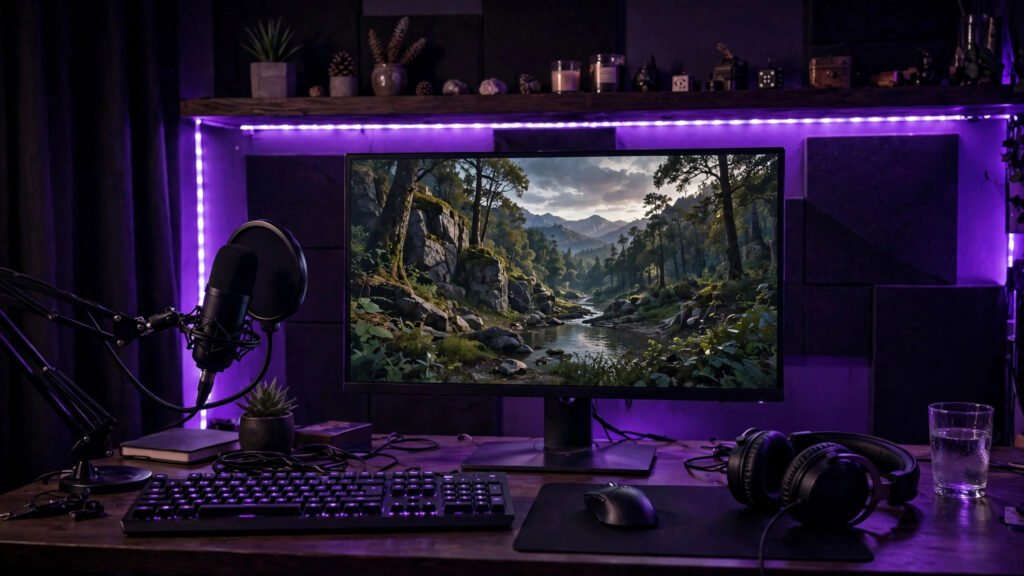
Streaming isn’t free. The obvious costs: decent microphone ($50–$150, non-negotiable — bad audio kills channels), webcam (optional initially), capture setup, and games themselves. The hidden costs hurt more: time (3–4 hour streams plus preparation, editing highlights, community management — 15–25 hours weekly for serious beginners), internet (upload speed matters; upgrades cost monthly), and opportunity cost (those hours could earn guaranteed money elsewhere).
Run the hourly math ruthlessly: if you stream 20 hours weekly for six months to earn $200/month, that’s roughly $2.50/hour. That’s fine if you love it and treat early months as investment — it’s terrible if you need income now. The Small Business Administration’s planning resources at sba.gov apply surprisingly well to creator businesses: know your costs, project conservatively, and don’t quit your day job on hope.
Strategies That Work for Small Streamers in 2026
Niche down aggressively. “Variety streamer” is the hardest path — you’re competing with everyone. One game (especially a new, underserved, or retro title), one format (challenge runs, educational commentary, cozy streams), one community identity. Specificity is discoverability.
Stream on a schedule, repurpose everything. Consistency builds the regulars who become Super Chatters and members. Then turn every stream into 3–5 pieces of content: highlight clips for Shorts, tutorial segments for searchable videos, funny moments for social. Content repurposing is how small creators multiply limited hours.
Be searchable, not just watchable. Streams are ephemeral; searchable videos compound. The streamers who grow fastest pair live streaming with evergreen guide/tutorial content in the same niche — the videos bring new viewers who become stream regulars.
Engage like your income depends on it — because it does. Learn regulars’ names, remember their stories, build Discord community, play with viewers. At small scale, community is the product; the game is just the venue. The streamer who knows 100 viewers by name beats the streamer with 1,000 anonymous ones.
When Streaming Is Worth It (and When It Isn’t)
Worth it if: you genuinely love streaming (you’ll do hundreds of hours before meaningful income — only enjoyment sustains that), you have financial runway (a job or support covering bills during the 6–18 month ramp), and you treat it as a business (schedule, niche, diversification, analytics). Starting content creation with proper expectations prevents the most common failure: quitting at month four, right before compounding begins.
Not worth it if: you need income within months, you dislike performing for an audience (streaming is performance, not just playing), or you’re chasing it because it looks easy — it’s among the highest-effort, slowest-payoff side hustles available. There’s no shame in gaming for fun and earning elsewhere.
Conclusion
Game streaming on YouTube is still profitable for beginners in 2026 — but “profitable” means a slow-building community business, not a lottery ticket. The streamers who make it niche down hard, stream consistently, repurpose relentlessly, build genuine community, and diversify income beyond ads. Expect 6–18 months of investment before meaningful returns, size the effort against your financial reality, and only start if you’d stream for free — because for a while, you will be.
Frequently Asked Questions
How much do small YouTube streamers make?
Most streamers under 10,000 subscribers earn $0–$500/month, heavily dependent on community engagement rather than view counts. Super Chats from loyal regulars often exceed ad revenue at small scale. Meaningful income typically begins around 10,000+ engaged subscribers.
Do I need expensive equipment to start streaming?
No — a decent USB microphone ($50–$150) is the only essential purchase; viewers forgive mediocre video but not bad audio. Start with free software (OBS), add a webcam and upgrades only after you’ve streamed consistently for months.
Is Twitch or YouTube better for beginner streamers?
YouTube offers better discoverability through search and Shorts integration — new viewers can find you without already following you. Twitch has a stronger live-streaming culture but weaker discovery for unknowns. Many beginners find YouTube’s combined live + video ecosystem more forgiving.
How often should a beginner stream?
Consistency beats frequency: 3–4 scheduled streams weekly outperforms daily streaming that burns you out in a month. Pick a schedule you can sustain for a year — your regulars plan around it, and reliability builds community.
Can I stream copyrighted games without issues?
Most publishers allow streaming under YouTube’s policies, but music in games is the biggest copyright risk — many streamers get claims from licensed soundtracks. Use streamer-safe music settings where games offer them, and understand that policies vary by publisher.