What Does a Home Inspection Cover? The Complete Checklist
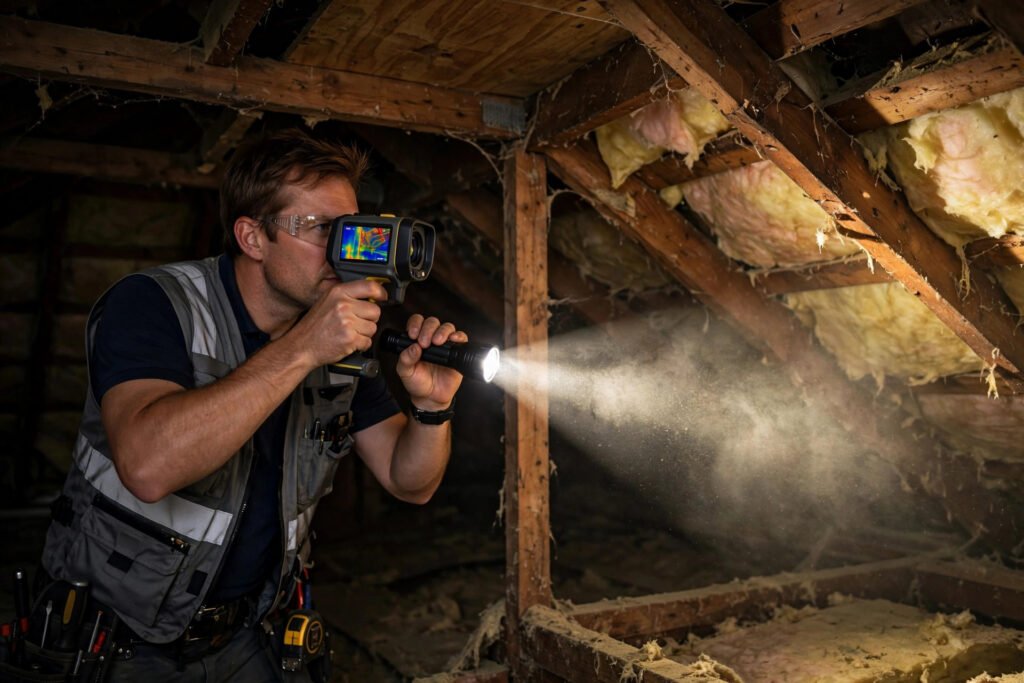
You’re about to spend hundreds of thousands of dollars on a house you’ve walked through twice. The home inspection is the one professional, systematic look under the hood before you commit — a trained examiner spending 2–4 hours testing, probing, and documenting the condition of everything from the foundation to the roof. Yet many buyers treat it as a formality, skim the report, and miss its real power. A good inspection doesn’t just find problems; it gives you a negotiation tool, a maintenance roadmap, and the confidence that you’re not buying a disaster. Here’s what a home inspection actually is, what it should cover, and how to get your money’s worth.
What a Home Inspection Is (and Isn’t)
A home inspection is a non-invasive visual examination of a property’s physical structure and systems, performed by a licensed or certified inspector you hire (never the seller’s inspector). It typically costs $300–$600, takes 2–4 hours depending on the home’s size and age, and produces a detailed written report with photos. The inspector works for you alone — their job is finding problems, not facilitating the sale, which is why you should never use an inspector recommended by the seller’s agent without independent vetting.
Equally important is what an inspection isn’t. It’s not a code compliance inspection — inspectors evaluate condition and safety, not whether everything meets current building codes (grandfathered older work is common and usually fine). It’s not technically exhaustive: inspectors don’t tear open walls, move heavy furniture, or test every square inch. And it’s not a guarantee or warranty — it’s a professional opinion on observable condition at a single point in time. Understanding these limits helps you use the inspection correctly: as powerful due diligence, not as a force field. The American Society of Home Inspectors’ standards of practice define exactly what certified inspectors must examine — worth skimming so you know what to expect.
The Complete Coverage Checklist: What Must Be Inspected
A proper inspection covers all major systems. Structure: foundation, framing, visible structural components — the inspector looks for settlement, cracking, water intrusion, and wood damage. Exterior: siding, trim, windows, doors, grading and drainage, driveways, decks, and porches. Roof: covering material condition, flashing, gutters, chimneys, and attic ventilation — including an attic inspection for leaks, insulation, and framing issues. Plumbing: water supply and drainage, water heater (age, condition, venting), fixtures, and visible piping — the inspector runs faucocks, flushes toilets, and checks for leaks and pressure.
Electrical: service panel (capacity, condition, proper wiring), outlets, switches, GFCI protection in wet areas, and visible wiring — dangerous panels and DIY wiring are among the most common significant findings. HVAC: heating and cooling systems (age, condition, operation), ductwork, and thermostats. Interior: walls, ceilings, floors, stairs, railings, and built-in appliances. Insulation and ventilation round out the standard scope. If your inspector skips the attic, the crawl space, or the roof walk (when safely accessible), you’re not getting a complete inspection. For deeper context on evaluating what inspectors find in older systems, our guide to knowing if your home needs new insulation covers one of the most commonly flagged deficiencies.
Specialized Inspections Worth Adding
The general inspection is the foundation, but certain properties and regions call for specialists. Radon testing ($150–$250) is wise in EPA Zone 1 areas — radon is the second leading cause of lung cancer and utterly undetectable without testing. Sewer scope inspections ($200–$400) run a camera through the main line to the street; collapsed or root-invaded sewer lines cost $10,000–$25,000 to replace and are invisible otherwise — cheap insurance on any home over 25 years old. Mold testing makes sense when you see staining or smell mustiness. Chimney inspections (beyond the generalist’s visual check) matter for wood-burning fireplaces. Pest/termite inspections are required by some loan types and wise in termite-prone regions.
Other situational add-ons: well and septic inspections for rural properties (a failed septic system can cost $20,000–$40,000), lead-based paint risk assessments for pre-1978 homes with young children, asbestos surveys before renovating older homes, and structural engineer evaluations when the general inspection flags foundation concerns. Each costs a few hundred dollars; each protects against five-figure surprises. Budget $800–$1,500 total for a thorough inspection package on an older home — the best money in the entire transaction. The International Association of Certified Home Inspectors’ inspector directory and standards can help you find qualified specialists.
How to Get Maximum Value From Your Inspection
Attend the inspection in person. This is the single highest-value advice in this article. Walking alongside the inspector for 2–4 hours teaches you more about your prospective home than any report — you’ll see the issues firsthand, hear the severity assessment in real time, and learn where the shutoffs are, how old the systems are, and what maintenance to prioritize. Good inspectors welcome buyer attendance and narrate as they go; it’s an education worth far more than the fee.
Ask questions aggressively: “How serious is this on a scale of routine to alarming?” “What would you fix first if this were your house?” “What’s the remaining useful life of this roof/HVAC/water heater?” Take your own photos and notes alongside the official report. When the report arrives (usually within 24–48 hours), triage it into safety issues, major expenses, and minor maintenance — and get contractor estimates for the major items before negotiating, since inspector cost guesses are unreliable. Our guide to choosing the right contractor for a home renovation will help you get those estimates fast. Then use the findings strategically: safety and structural issues become repair requests or credits, while minor items become your move-in maintenance list.
After the Report: Turning Findings Into Action
The report is a tool, not a verdict. For negotiation, focus on material defects — safety hazards, structural issues, and failing major systems — backed by contractor estimates, not inspector ballparks. Present findings professionally through your agent; adversarial demands over minor items poison negotiations. For planning, the report is a 5-year maintenance roadmap: it tells you the water heater has 3 years left, the roof has 7, and the electrical panel should be upgraded — budget accordingly from day one.
Know when findings should change your decision. A report full of deferred maintenance on an old house at a fair price is normal and negotiable. A report revealing structural movement, extensive water damage, or environmental hazards on a house priced as turnkey is a walk-away signal. And remember the inspection contingency is your legal framework — understand its deadlines and your rights before the inspection, not after. The Consumer Financial Protection Bureau’s homebuyer resources explain how inspection contingencies protect your earnest money when findings warrant an exit.
The Bottom Line
A home inspection is a 2–4 hour professional examination of structure, exterior, roof, plumbing, electrical, HVAC, and interiors — plus targeted specialist inspections (radon, sewer scope, pests) where warranted. Attend in person, ask relentless questions, triage the report into safety/major/minor buckets, get real contractor estimates for big items, and use material findings as negotiation leverage within your contingency window. The $300–$600 fee is trivial against the purchase price and the protection it buys. Never waive it without a pre-inspection, never skip attending, and never let anyone rush you past the report.
Frequently Asked Questions
How much does a home inspection cost?
Typically $300–$600 for the general inspection, depending on home size, age, and market. Specialist add-ons (radon, sewer scope, termite) run $150–$400 each. Budget $800–$1,500 for a thorough package on an older home.
Should I attend the home inspection?
Absolutely. Attending teaches you more about the home than the report alone — you’ll see issues firsthand, hear severity assessments in real time, and learn maintenance priorities directly from the inspector.
What happens if the inspection finds problems?
You negotiate (repairs, credits, or price reduction), accept the issues, or exit via your inspection contingency. Material defects backed by contractor estimates are your leverage; minor items become your maintenance list.
Can a home inspection miss things?
Yes — inspections are visual and non-invasive, so hidden defects inside walls or under floors can escape notice. That’s why specialist inspections (sewer scopes, radon tests) and realistic expectations matter alongside the general inspection.