How Antibiotics Work and Why Resistance Is So Dangerous
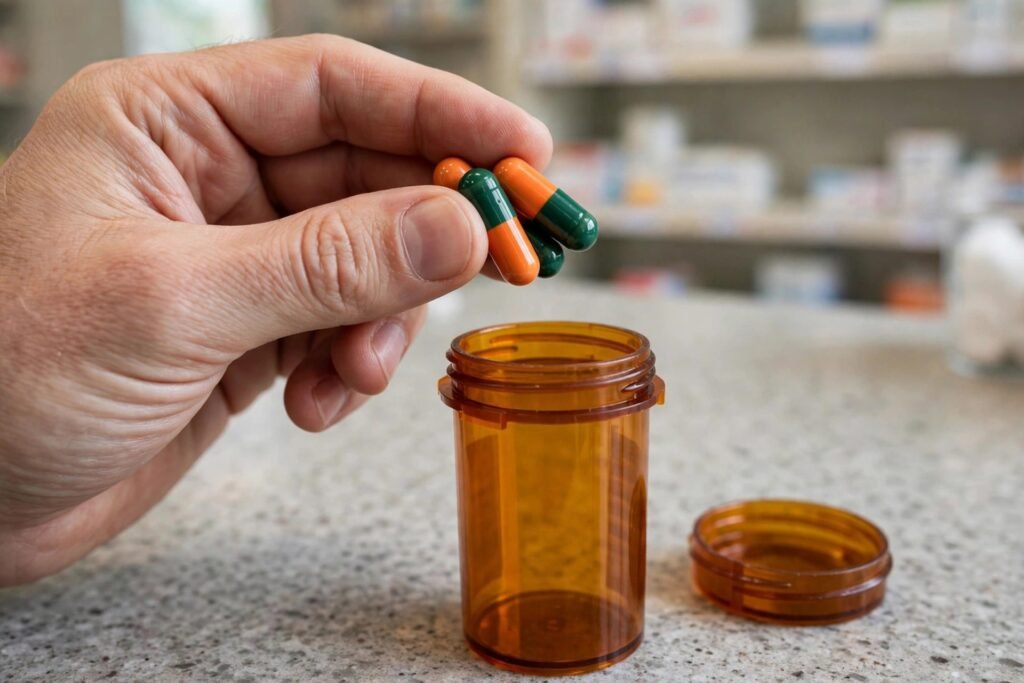
Antibiotics are the foundation of modern medicine — the reason routine surgeries, childbirth, and chemotherapy are survivable. Before them, a scratched knee could kill you. Yet these miracle drugs are losing their power: antibiotic-resistant infections now kill over a million people globally each year, and the number is rising. Understanding how antibiotics work reveals exactly why resistance is so dangerous — and what can still be done about it.
This guide explains the mechanisms, the resistance crisis, and the practical steps that keep these drugs working.
How Antibiotics Work: Attacking What Makes Bacteria Different
The genius of antibiotics is selective toxicity: they attack structures bacteria have but human cells lack (or attack shared structures differently enough to spare us). The major classes each exploit a different bacterial vulnerability:
Cell wall destroyers (penicillins, cephalosporins): human cells have no cell walls — bacteria do. These drugs block wall construction, so growing bacteria literally burst. This is why penicillin is so safe for humans: the target does not exist in our bodies.
Protein synthesis blockers (tetracyclines, macrolides like azithromycin): they jam bacterial ribosomes — the protein factories — which differ structurally from human ribosomes. No proteins, no growth, no reproduction.
DNA disruptors (fluoroquinolones like ciprofloxacin): they sabotage the bacterial enzymes that unwind DNA for replication. The bacteria cannot copy their genome and die trying.
Metabolic saboteurs (sulfonamides, trimethoprim): they block the bacterial synthesis of folate — a vitamin bacteria must manufacture but humans get from food. Starve the pathway, starve the bacteria.
Crucially: antibiotics do nothing against viruses. Colds, flu, and most sore throats are viral — antibiotics cannot touch them, a fact the Centers for Disease Control and Prevention (CDC’s antibiotic use program) emphasizes constantly, because misuse here drives the resistance crisis.
How Resistance Develops: Evolution in Fast-Forward
Resistance is not the body becoming “immune to antibiotics” — it is bacteria evolving. The mechanism is Darwinian and brutally efficient:
1. Variation: in any bacterial population of billions, a few individuals carry random mutations conferring slight drug resistance. 2. Selection: the antibiotic kills the susceptible 99.99% — leaving the resistant survivors with zero competition and abundant resources. 3. Multiplication: the survivors reproduce, and now the entire population is resistant. 4. Sharing: bacteria trade resistance genes horizontally — via plasmids (gene packets passed between bacteria, even across species) — spreading resistance far faster than vertical inheritance alone.
Bacteria reproduce every 20 minutes; evolution that takes millennia in animals happens in days in bacteria. Every antibiotic dose is a selection event. Used correctly against a real bacterial infection, the benefit outweighs the cost. Used incorrectly — wrong drug, wrong dose, unfinished course, or prescribed for a virus — it is pure selection pressure with no benefit. This is also why supporting your immune system matters: fewer infections mean fewer antibiotic courses, which means less resistance pressure.
Why Resistance Is Dangerous: The Post-Antibiotic Scenario
The consequences are not abstract. Common infections become untreatable: drug-resistant urinary tract infections, pneumonia, and bloodstream infections already kill tens of thousands of Americans yearly. Modern medicine unravels: surgery, organ transplants, chemotherapy, premature infant care, and joint replacements all depend on effective antibiotics to prevent and treat inevitable infections. Without them, these procedures revert to their pre-antibiotic risk levels — when a hip replacement carried a real chance of death by infection.
Last-resort drugs are failing: bacteria resistant to carbapenems (the “antibiotics of last resort”) — CRE, the “nightmare bacteria” — are spreading in healthcare settings. It is an economic crisis too: resistant infections require longer hospital stays, more expensive drugs, and more intensive care, costing the US healthcare system billions annually. The World Health Organization ranks antimicrobial resistance among the top ten global health threats, projecting up to 10 million annual deaths by 2050 if trends continue.
The Misuse Drivers (and How to Fix Them)
Resistance accelerates through specific, fixable behaviors:
Overprescription: an estimated 30–50% of outpatient antibiotic prescriptions in the US are unnecessary — mostly for viral respiratory infections. Knowing whether it’s a cold or the flu helps you avoid requesting antibiotics you don’t need. Patient action: do not pressure your doctor for antibiotics for colds; ask “is this bacterial?” Unfinished courses: stopping early because you feel better leaves the hardiest bacteria alive — the exact population most likely resistant. Action: finish every course as prescribed. Agricultural overuse: the majority of US antibiotics by weight go to livestock — for growth promotion and crowded conditions — breeding resistant bacteria that reach humans through food and environment. Action: support policies restricting agricultural misuse; it is the largest single driver. Poor infection control: resistant bacteria spread in hospitals and communities through lapses in hygiene. Action: handwashing, vaccination (preventing infections prevents antibiotic use), and safe food handling.
The US National Action Plan for Combating Antibiotic-Resistant Bacteria coordinates the federal response; the CDC (cdc.gov/antibiotic-use) tracks resistance threats and publishes the authoritative threat reports.
The Pipeline Problem: Why Aren’t There New Antibiotics?
Here is the market failure at the heart of the crisis: developing a new antibiotic costs ~$1 billion, but new antibiotics are deliberately used sparingly (to preserve them) — making them commercially unattractive. Most large pharmaceutical companies abandoned antibiotic R&D; the pipeline is thin and fragile. Solutions being pursued: push/pull incentives (government funding for development, guaranteed purchase commitments), non-traditional approaches (phage therapy — viruses that eat bacteria, antimicrobial peptides, CRISPR-based antimicrobials), and rapid diagnostics (tests that identify the pathogen in minutes, enabling targeted rather than broad-spectrum prescribing — reducing selection pressure enormously).
Conclusion
Antibiotics work by exploiting the biological differences between bacteria and human cells — destroying walls we do not have, jamming factories built differently from ours. Resistance develops because bacteria evolve blindingly fast under the selection pressure of every dose, sharing resistance genes like trading cards. The danger is civilizational: without effective antibiotics, modern medicine’s safety net dissolves. But the crisis is not inevitable — it is driven by specific misuses (overprescription, unfinished courses, agricultural abuse) that specific actions can reverse, while science races to refill the pipeline. Antibiotics are a shared, exhaustible resource. Treat them like one: use them only when needed, finish every course, and support the policies that preserve them. The miracle drugs only stay miraculous if we stop squandering them.
Frequently Asked Questions
Why don’t antibiotics work on colds and flu?
Colds and flu are caused by viruses, which lack the bacterial structures antibiotics attack (cell walls, bacterial ribosomes). Antibiotics are chemically incapable of affecting viruses — taking them for viral infections only drives resistance.
What happens if I don’t finish my antibiotics?
Stopping early can leave the most resilient bacteria alive — the ones most likely to carry resistance. These survivors multiply into a resistant population. Always complete the prescribed course unless your doctor advises otherwise.
Can the body become resistant to antibiotics?
No — this is a common misconception. Bacteria become resistant, not people. But resistant bacteria can then infect anyone, which is why one person’s misuse endangers the whole community.
Are there new antibiotics being developed?
Too few — the pipeline is thin because new antibiotics are commercially unattractive (expensive to develop, used sparingly). Governments are creating incentives, and alternative approaches like phage therapy show promise, but the pipeline remains fragile.
How can I help fight antibiotic resistance?
Do not demand antibiotics for viral illnesses, finish every prescribed course, get vaccinated (preventing infections prevents antibiotic use), practice good hygiene, handle food safely, and support policies limiting agricultural antibiotic overuse.