What Is Slugging and Does It Work for Dry Skin? Evidence
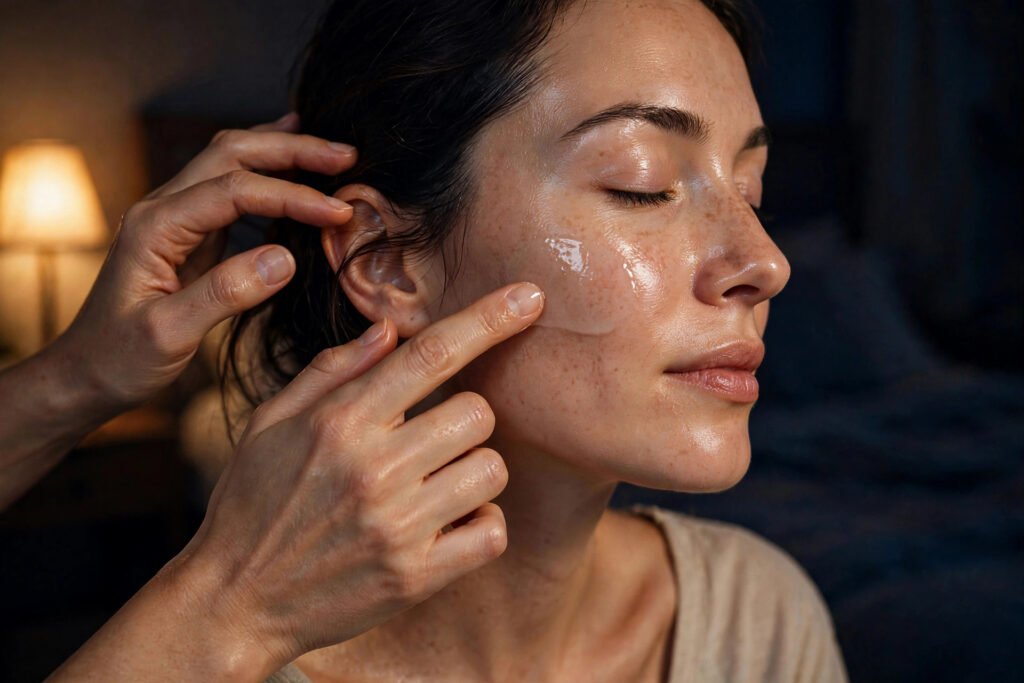
It sounds like a prank: slather your face in petroleum jelly before bed and wake up glowing. “Slugging” — named for the shiny, slug-like trail it leaves — went from Korean skincare forums to American TikTok virality, with millions of views and wildly polarized reviews. Devotees claim it transformed their dry, flaky winter skin overnight; dermatologists urge caution; and somewhere in between is the actual science. So what is slugging, does it actually work for dry skin, and — critically — who should absolutely not do it? Here’s the evidence-based breakdown.
What Slugging Actually Is
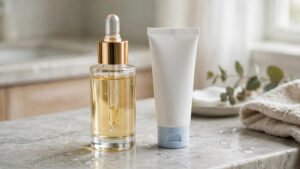
Slugging means applying an occlusive layer — typically petroleum jelly (Vaseline) or a petrolatum-based balm — as the final step of your nighttime routine, over your regular moisturizer and serums. The term comes from K-beauty communities, where layering occlusives has been standard practice far longer than the TikTok trend suggests.
The mechanism is straightforward physics, not magic: occlusives form a water-resistant seal over the skin. This does two things — it prevents transepidermal water loss (the constant evaporation of moisture from skin, which accelerates in dry winter air and heated indoor environments), and it locks in the hydrating products layered underneath, forcing them to absorb rather than evaporate. Petrolatum is the most effective occlusive known to cosmetic science, reducing water loss by up to 98% — nothing else comes close, including expensive “barrier creams.”
Does It Work for Dry Skin? (The Evidence)
For genuinely dry skin — the tight, flaky, winter-ravaged kind — yes, slugging works, and the mechanism is well-established. Dermatologists have recommended petrolatum for dry skin and wound healing for decades; the trend just rebranded ancient wisdom. What slugging does well:
Seals in hydration. Applied over a hydrating serum or moisturizer on slightly damp skin, it multiplies the effectiveness of everything underneath. The products can’t evaporate, so they absorb fully.
Repairs the barrier. By stopping water loss, slugging gives the skin barrier the stable, moist environment it needs to repair itself — the same principle as “moist wound healing” in medicine. Dry, compromised barriers recover measurably faster under occlusion.
Protects against harsh conditions. Winter wind, dry heated air, long flights — occlusive slugging before exposure is genuine protection, the skincare equivalent of weatherproofing your windows for winter: you’re sealing the barrier against a hostile environment.
The caveat: slugging adds no moisture itself — it’s a seal, not a source. Slugging over dry, unmoisturized skin just seals in dryness. The routine underneath (hydrating toner or serum + moisturizer, applied to damp skin) does the actual hydrating; the slug layer just ensures none of it escapes. And internal hydration supports the whole system — foods that support healthy skin improve barrier function from within while slugging protects from without.
Who Should NOT Slug
This is the part the viral videos skip. Do not slug if you have:
Acne-prone or very oily skin. Sealing in oil, sweat, and acne-causing bacteria under an occlusive layer is a breakout recipe. Petrolatum itself is non-comedogenic (it doesn’t clog pores directly), but the sealed environment traps everything else against the skin. If you’re breakout-prone, slugging usually makes things worse.
Rosacea or highly reactive skin. Occlusion increases the penetration of everything underneath — including potential irritants — and traps heat, which flares rosacea. Patch-test carefully or skip.
Fungal acne (malassezia folliculitis). Occlusives create the warm, sealed environment these organisms love. If your “acne” is actually fungal, slugging feeds it.
An already-compromised barrier with active irritation. Slugging over irritated, stinging skin can intensify the sting by increasing penetration. Heal the irritation first with gentle basics, then consider slugging.
The American Academy of Dermatology position reflects this nuance: petrolatum is excellent for dry skin and barrier repair, but it’s not universal — skin type determines suitability, not trendiness. The NIAMS resources on the skin barrier explain the underlying science in more depth.
How to Slug Correctly (If It’s Right for You)
Nighttime only. Slugging is a PM ritual — the shine is real, and sunscreen goes over nothing (SPF must be the outermost daytime layer).
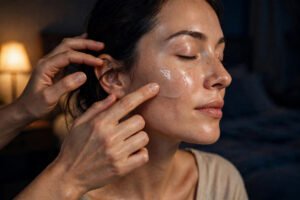
Layer properly: cleanse → hydrating toner/serum on damp skin → moisturizer → thin layer of petrolatum or occlusive balm. Thin is key — a pea-sized amount warmed between palms, pressed over the face. You’re sealing, not frosting a cake.
Choose the right occlusive: plain petroleum jelly is the gold standard (cheap, effective, minimal ingredients). Petrolatum-based balms with ceramides add barrier support. Avoid slugging with products containing active exfoliants or retinoids underneath on the same night until you know your tolerance — occlusion multiplies their penetration and irritation potential.
Protect the pillowcase (a towel over the pillow, or just accept it), and don’t slug every night necessarily — 2–4 times weekly, or during dry spells and winter, is plenty for most. Daily slugging is for severely dry skin, not a universal requirement.
Slugging Alternatives for Oily and Acne-Prone Skin
If slugging is wrong for your skin type, you still need barrier support — just in lighter forms. Barrier-repair moisturizers with ceramides, cholesterol, and fatty acids strengthen the barrier without full occlusion; they’re the daily-driver version of what slugging does intensively. Facial oils (squalane, jojoba) provide partial occlusion — far less sealing than petrolatum, but enough to reduce water loss without trapping breakouts. Humectant layering (hyaluronic acid serums on damp skin under moisturizer) boosts hydration without any occlusive layer at all.
The “sandwich” method suits combination skin: slug only the dry zones (cheeks, around the mouth) while leaving the T-zone with just moisturizer — targeted occlusion where it’s needed, freedom where it isn’t. And for everyone, the internal fundamentals matter as much as the topical: adequate water intake, omega-rich foods, and humidifier use in dry indoor environments all support the barrier from the inside and the outside air. Slugging is one tool for barrier repair, not the only one — match the tool’s intensity to your skin’s actual needs, and lighter alternatives deliver most of the benefit with none of the breakout risk.
Conclusion
Slugging works for dry skin because occlusives are the most effective moisture seals in skincare — that’s established science, not TikTok hype. But it’s a seal, not a moisturizer (hydrate first, then seal), and it’s wrong for acne-prone, very oily, rosacea, or fungal-acne skin. If you’re dry-skinned and winter is winning, a thin petrolatum layer over your nighttime routine 2–4 times a week is one of the cheapest, most effective interventions in all of skincare. Just don’t expect it to fix problems it wasn’t designed for — and never let a trend override what your skin type is telling you.
Frequently Asked Questions
What is slugging in skincare?
Applying an occlusive (usually petroleum jelly) as the final nighttime step to seal in moisture and prevent water loss. The name comes from the shiny, slug-like finish.
Does slugging actually work?
Yes, for dry skin — petrolatum reduces transepidermal water loss by up to 98%, giving the barrier ideal conditions to repair. It seals in hydration but adds none itself, so moisturize first.
Can slugging cause breakouts?
In acne-prone or oily skin, yes — the occlusive seal traps oil, sweat, and bacteria against the skin. Petrolatum is non-comedogenic itself, but the sealed environment promotes breakouts in susceptible skin.
How often should you slug?
2-4 times weekly or during dry periods for most dry-skinned people; nightly only for severely dry skin. It’s a treatment, not a mandatory daily step.
What should I put under the slug layer?
Hydrating products on damp skin: toner/serum with humectants (hyaluronic acid, glycerin), then moisturizer, then the occlusive. Avoid strong actives (retinoids, exfoliating acids) under occlusion until you know your tolerance.