
Best Smartwatches for People Who Don’t Exercise Much
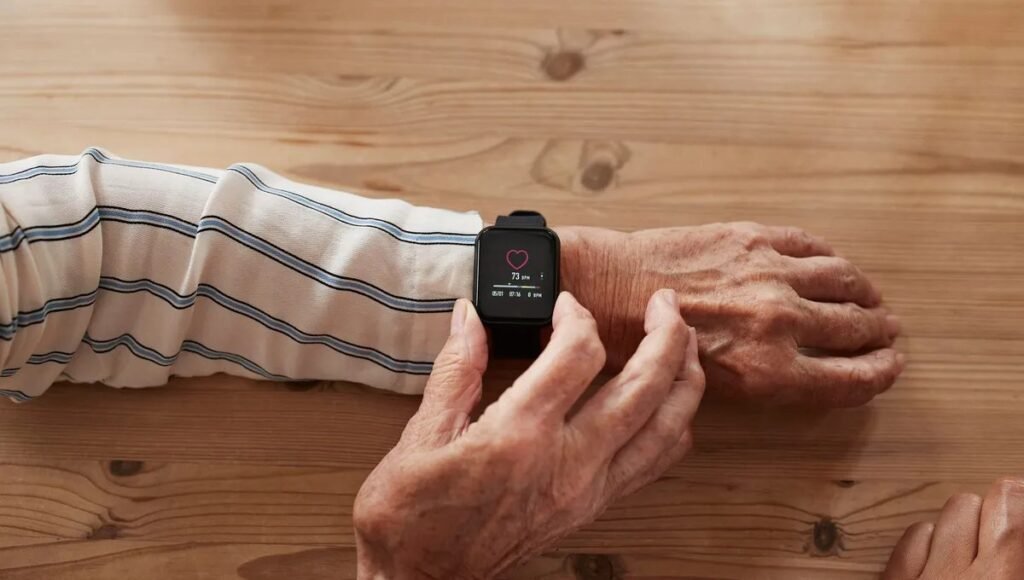
Most smartwatch marketing screams about marathons and HIIT workouts. But what if you just want the health monitoring, the safety features, and the convenience — without paying for a personal trainer on your wrist? The best smartwatch for someone who doesn’t exercise much prioritizes completely different things.
Here’s the truth: for non-exercisers, a smartwatch is a health and safety device that happens to tell time. These are the picks that make sense.
The short answer: the Apple Watch SE 2 (~$189–$249) is the best value for iPhone users — fall detection, heart monitoring, and emergency SOS without the fitness premium. For Android users, the Samsung Galaxy Watch FE (~$200) or Google Pixel Watch 2 (~$250 on sale) offer the same safety essentials.
What Non-Exercisers Should Actually Look For
Forget VO2 max and training load. Your priority list: fall detection and emergency SOS (the features that literally save lives — countless stories of Apple Watches calling emergency services after falls or crashes), heart rate monitoring with irregular-rhythm and high/low alerts, medication reminders, and loud, clear speakers for calls. Battery life matters more than workout features too — a watch that dies mid-day is a paperweight.
Ease of use rounds it out: big readable screen, simple interface, and water resistance for the ‘I forgot to take it off’ moments. You don’t need cellular (your phone is always nearby), you don’t need the brightest always-on display, and you definitely don’t need the $400+ flagship — the mid-range models have every safety feature that matters.
The Picks by Phone
iPhone users: the Apple Watch SE (2nd gen) at $189–$249 is the obvious choice. It has fall detection, crash detection, Emergency SOS, heart rate monitoring with irregular rhythm notifications, and sleep tracking — everything that matters, none of the fitness fluff tax. The interface is the same friendly watchOS, and setup takes ten minutes. Skip the cellular version unless you truly go phoneless regularly.
Samsung users: the Galaxy Watch FE (~$200) or Galaxy Watch 6 (~$250 on sale) bring fall detection, ECG, blood pressure monitoring (in supported regions), and Samsung’s health suite. Pixel/other Android: the Pixel Watch 2 (~$250 on sale, often less) has excellent heart tracking via Fitbit, fall detection, and Emergency SOS. All three get 1–2 days of battery — charge while you shower and you’ll never think about it.
- iPhone: Apple Watch SE 2 ($189–$249) — best value, all safety features
- Samsung: Galaxy Watch FE (~$200) — ECG + fall detection
- Other Android: Pixel Watch 2 (~$250 on sale) — great heart tracking
- Skip: cellular models, flagship $400+ versions, fitness-focused Garmins
- Must-haves: fall detection, Emergency SOS, heart alerts, 1+ day battery
Features You’ll Actually Use Daily
In practice, non-exercisers live on a handful of features: checking notifications without digging out the phone, answering calls from the wrist (surprisingly useful when your hands are full), medication and appointment reminders, the flashlight, timers, and ‘find my phone’ (used weekly by everyone I know). Sleep tracking is the sleeper hit — seeing your actual sleep patterns often motivates the first healthy change.
Set up Medical ID (iPhone Health app or Android equivalent) with your conditions, medications, and emergency contacts — first responders are trained to check it. Add emergency contacts to the watch’s SOS. And turn on fall detection explicitly if it’s not default; on some models it’s opt-in for younger users. These five minutes of setup are the whole point of owning the thing.
What About Seniors Specifically?
For older adults, the calculus shifts further toward safety: fall detection becomes the headline feature, and simplicity matters more than ever. The Apple Watch SE with fall detection enabled, Emergency SOS contacts configured, and a simple watch face with big complications (date, battery, heart rate) is an outstanding senior safety device — arguably better than dedicated medical alert pendants, because it’s worn consistently and does more.
Consider the cellular version for a senior who doesn’t always carry a phone — it can call emergency services independently. Pair it with the family sharing setup so you can help manage it remotely. And get a comfortable band; the sport band is fine, but many seniors prefer a magnetic or stretch band that’s easier with arthritic hands. The best safety device is the one that’s actually on the wrist.
What Is the Best Smartwatch for Someone Who Does Not Exercise Much but Wants Sleep Tracking?
Sleep tracking is the sleeper hit of smartwatches for non-exercisers — pun intended. It requires wearing the watch overnight, which makes comfort and battery the deciding factors. The Apple Watch SE needs nightly charging for most users, which conflicts with sleep tracking unless you charge during the day (a 30-minute top-up while showering and getting ready usually suffices). Enable Sleep Focus to dim the screen and silence notifications.
What the data actually tells you: sleep duration, consistency of bedtime, time in each sleep stage, and trends over weeks. Don’t obsess over nightly REM percentages — consumer sleep staging is approximate. The valuable insights are patterns: ‘I sleep 45 minutes less on weeknights,’ ‘my resting heart rate climbs when I drink alcohol,’ ‘consistent bedtimes correlate with better mornings.’ Those patterns drive real behavior change.
Pair the watch data with basic sleep hygiene and the watch becomes a feedback loop: you see the numbers improve as habits improve, which motivates further. For many non-exercisers, sleep is the health lever with the biggest return — bigger than step counts — and the watch is the instrument that makes it visible. Charge it while you shower, wear it to bed, check trends weekly.
Related reading: what is the best tablet for seniors who aren’t tech-savvy · how to stop apps from tracking your location
The Bottom Line
Buy for safety, not fitness: Apple Watch SE 2 for iPhone users, Galaxy Watch FE or Pixel Watch 2 for Android — all $189–$250 with fall detection, Emergency SOS, and heart monitoring. Skip cellular unless the phone stays home. Set up Medical ID and emergency contacts on day one, and choose a comfortable band — the watch only helps if it’s actually worn.
Sources: Apple Watch SE · American Heart Association: heart health monitoring






