What Is the Best Way to Remove Old Carpet Stains
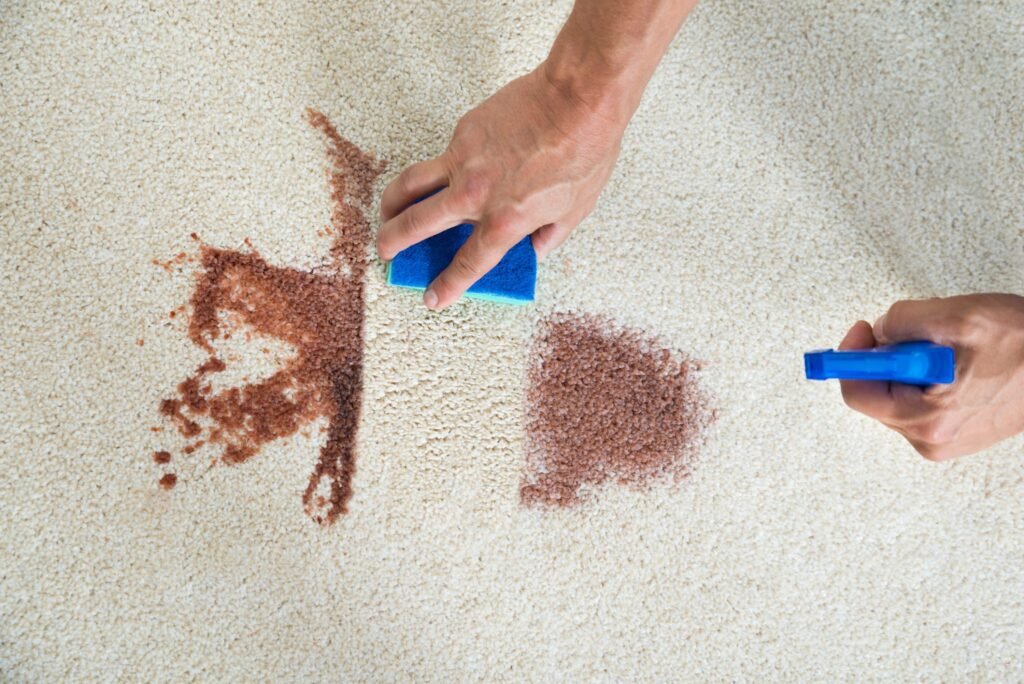
Old carpet stains are like archaeological layers — the coffee from 2019, the wine from the holidays, the mysterious spot that predates your ownership. When I moved into my current house, the bedroom carpet had stains that the previous owners had clearly given up on. Before ripping it out (my first instinct), I tried a systematic approach to stain removal — and saved a carpet I was sure was doomed.
Here’s the best way to remove old carpet stains, including the set-in ones everyone says are permanent.
What Is the Best Way to Remove Old Carpet Stains?
The golden rules of stain removal: identify the stain type (different stains need different chemistry), always test in a hidden spot first (closet carpet is perfect), blot — never rub (rubbing spreads the stain and damages carpet fibers), and work from the outside in (prevents the stain from spreading outward).
Old stains are harder because they’ve oxidized and bonded with fibers over time, and because previous cleaning attempts may have set them (especially heat — never use hot water or a steam cleaner on an unknown stain until you’ve tried other methods, as heat permanently sets protein stains like blood and dairy).
Method 1: Dish Soap Solution (Start Here)
For most old stains, start gentle: mix 1 tablespoon clear dish soap with 2 cups cool water. Apply sparingly with a cloth (don’t soak the carpet — overwetting causes its own problems), blot from outside in, then blot with a clean damp cloth to rinse. Repeat several times. This handles a surprising range of old stains: food, dirt, light grease, and general grime.
Don’t use too much soap. Residue attracts dirt, creating a stain worse than the original within weeks. Less is more, and thorough rinsing (blotting with clean water) is essential.
Stain-Specific Treatments
Coffee and Tea
Mix 1 tablespoon white vinegar with the dish soap solution above. The mild acid dissolves the tannins that give coffee stains their brown color. For very old, dark coffee stains, follow with hydrogen peroxide (3%) applied sparingly — it’s a mild bleach that lightens without the risks of chlorine bleach. Blot, don’t pour.
Red Wine
Old red wine stains: apply a paste of baking soda and water, let it dry completely (it draws the stain up as it dries), then vacuum. Follow with the vinegar-dish soap solution. For stubborn remnants, hydrogen peroxide mixed with dish soap (2:1 ratio) is the professional’s secret — apply, let sit 20 minutes, blot thoroughly.
Pet Stains (Urine)
Old urine stains need enzyme cleaners (Nature’s Miracle, Rocco & Roxie, or similar — $10–$20). The enzymes break down the uric acid crystals that cause both the stain and the smell — regular cleaners mask odor temporarily; enzymes eliminate it. Saturate the area (the stain extends deeper than the surface — you must reach the pad), cover with plastic to keep it moist for the enzyme working time (8–24 hours), then blot dry. For the smell specifically, baking soda sprinkled generously, left overnight, then vacuumed, absorbs residual odor.
Locate old, invisible urine stains with a UV blacklight ($10–$15) in a dark room — they glow. You’ll often find more than you expected.
Grease and Oil
Sprinkle baking soda or cornstarch generously over the stain and let it sit for several hours (overnight is best) — it absorbs the oil. Vacuum thoroughly, then clean with the dish soap solution. For heavy grease, rubbing alcohol on a cloth dissolves oil effectively. Work patiently; grease stains often need 2–3 rounds.
Blood
Cold water only — never hot. Heat cooks the protein and sets the stain permanently. Blot with cold water and dish soap; for dried blood, hydrogen peroxide applied directly causes fizzing that lifts the stain — blot as it works. This is one stain where hydrogen peroxide is the first choice, not the last resort.
Ink
Dab (don’t rub) with rubbing alcohol on a cloth, using a clean section of cloth for each dab to avoid spreading. Hairspray used to work (it contained alcohol); modern hairsprays often don’t, so skip straight to rubbing alcohol. For ballpoint ink, this is remarkably effective even on old stains.
Method 2: Carpet Cleaner Machine (The Big Gun)
For widespread staining or whole-room refresh, rent a carpet cleaner ($25–$35/day from home centers). Use the manufacturer’s recommended solution (or a 50/50 white vinegar and water mix for a chemical-free option), make slow passes (rushing leaves dirty water in the carpet), and do extra dry passes to extract as much moisture as possible. Ventilate aggressively afterward — fans, open windows, AC running. Damp carpet that dries slowly can mildew, trading stains for a worse problem.
Pretreat individual stains with the specific methods above before machine cleaning — the machine handles general grime; targeted chemistry handles specific stains.
When Stains Won’t Budge
Some stains are genuinely permanent: bleach damage (color removed, not a stain — it can’t be cleaned, only dyed or patched), old dye stains (hair dye, some inks), and stains where the carpet backing is damaged. Options: carpet dye pens or kits ($10–$20) for small bleach spots, professional carpet cleaning ($150–$300 for whole house — their truck-mounted systems outperform rentals significantly), patching (cut out the stained section and swap with carpet from a closet — invisible if the pile direction matches), or replacement.
If replacement is on the table, our guide to the best flooring for homes with dogs covers pet-proof alternatives, and installing laminate over tile shows the budget-friendly hard-floor route.
Prevention Going Forward
Address spills immediately — every minute counts, and the dish-soap blotting method works on fresh stains almost every time. Keep a stain removal kit accessible (dish soap, white vinegar, hydrogen peroxide, baking soda, clean white cloths) so you’re not hunting for supplies mid-emergency. Use washable area rugs in high-risk zones (under the coffee table, by the bed) — they take the abuse instead of the carpet. And enforce a no-shoes policy — it prevents more carpet staining than any cleaner ever will.
Practical Takeaway
Identify the stain, test first, blot don’t rub, and match the chemistry to the stain — dish soap for general grime, vinegar for tannins, hydrogen peroxide for organic stains, enzymes for pet urine, rubbing alcohol for grease and ink. Old stains need patience and often multiple rounds, but most surrender eventually. And going forward, fast action on fresh spills beats every cleaner ever made. The Carpet and Rug Institute publishes tested cleaning guidance for different carpet fibers.