
How Much Does It Cost to Meal Prep for a Family of Four Each Week
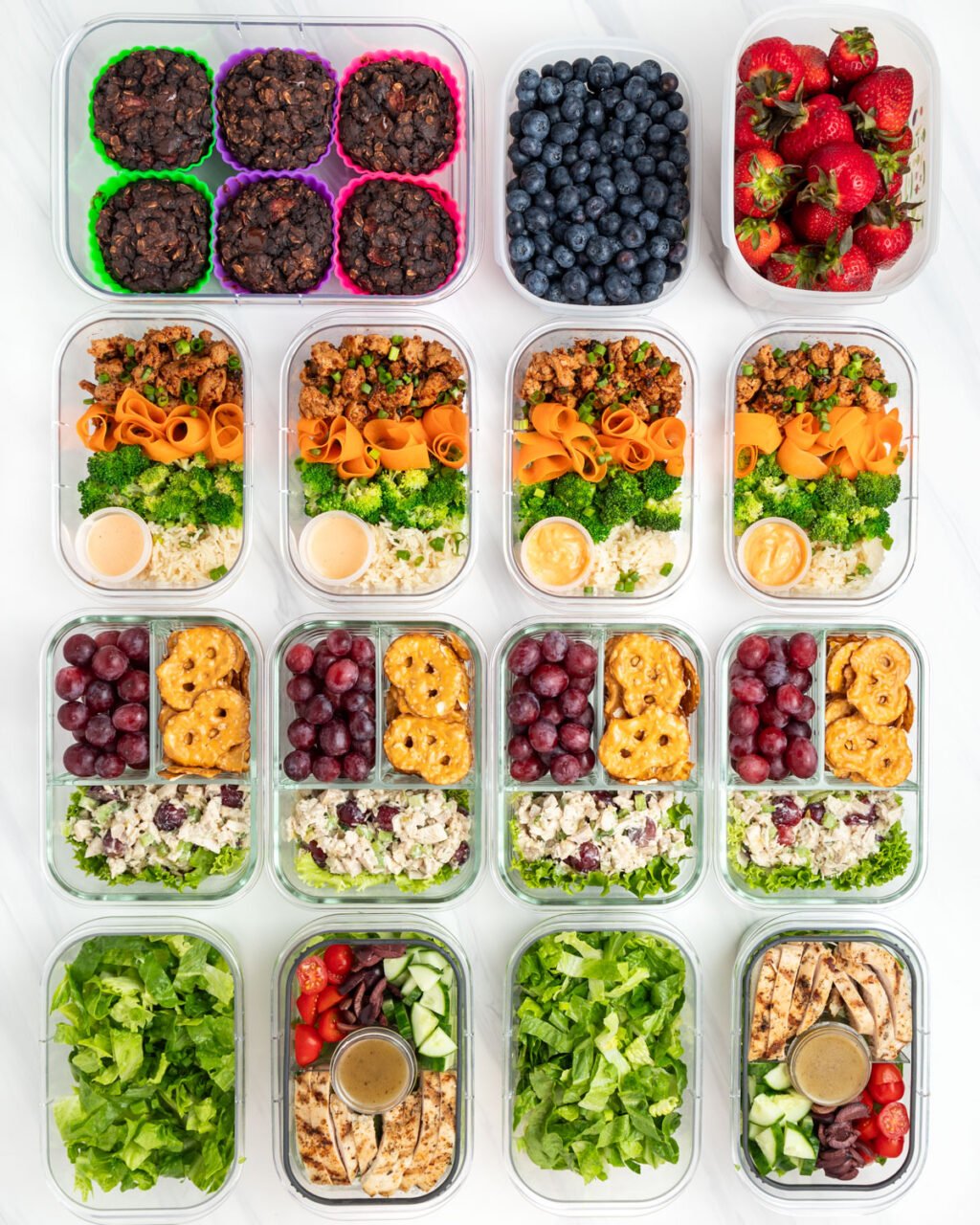
Meal prepping promises to save money, but how much does it actually cost? When I started meal prepping for my family of four, I tracked every grocery receipt for two months — the before (eating reactively, lots of takeout) and the after (planned weekly prep). The difference was stark: we cut our food spending by nearly 40 percent. But the actual dollar figure depends enormously on where you shop, what you cook, and how you define “meal prep.”
Here’s an honest breakdown of what it costs to meal prep for a family of four each week, plus how to push that number down.
How Much Does It Cost to Meal Prep for a Family of Four Each Week?
For a family of four, a realistic weekly meal prep grocery budget ranges from $150 to $300, depending on your approach. Here’s how that breaks down:
- Budget-conscious prep ($150–$200/week): store-brand staples, seasonal produce, cheaper proteins (chicken thighs, ground turkey, beans, eggs), bulk buying at warehouse clubs, minimal organic.
- Mid-range prep ($200–$250/week): mix of conventional and organic, some premium proteins (salmon, steak occasionally), wider produce variety, specialty items.
- Premium prep ($250–$350/week): mostly organic, grass-fed meats, wild-caught fish, specialty diet ingredients (gluten-free, etc.), pre-cut convenience produce.
For context, the USDA’s food plans estimate a family of four spends $200–$350/week on groceries at moderate cost levels — and that’s without the takeout most families add on top. The average American family spends an additional $150–$250/month on restaurants and takeout. Meal prepping attacks both numbers: it lowers grocery costs through planning and virtually eliminates the “we’re too tired to cook” takeout trap.
Where the Money Goes: Typical Weekly Breakdown
For a mid-range $225/week prep, roughly:
- Proteins ($70–$90): chicken, ground meat, fish, eggs, beans/lentils. Protein is the biggest line item — it’s also where the biggest savings hide (see below).
- Produce ($40–$60): vegetables and fruits. Seasonal buying cuts this dramatically.
- Grains and starches ($20–$30): rice, pasta, oats, bread, tortillas. The cheapest calories in the cart.
- Dairy ($20–$30): milk, cheese, yogurt, butter.
- Pantry and misc ($15–$25): oils, spices (amortized — you don’t buy these weekly), condiments, snacks.
- Frozen and convenience ($15–$25): frozen vegetables, berries, backup meals.
How Meal Prepping Actually Saves Money
The savings don’t come from magic — they come from eliminating specific money leaks:
- No more “emergency” takeout. The average takeout dinner for four costs $40–$60. Eliminating just two per week saves $320–$480/month — more than the entire grocery budget for some families.
- Less food waste. The average family wastes $1,500+ of food yearly. Prepping with a plan means buying only what you’ll use. Our guide to reducing food waste compounds these savings.
- Bulk and strategic buying. Prepping lets you buy family packs, warehouse club quantities, and sale items with a plan to use them — instead of sale items rotting in the fridge.
- Cheaper proteins, smarter. Chicken thighs instead of breasts (half the price, more flavor), beans and lentils as partial meat replacements, eggs as the cheapest complete protein ($0.15–$0.25 each).
- Portion control. Prepped portions prevent the over-cooking and over-serving that wastes food.
The Startup Costs (One-Time)
Budget $50–$150 upfront for meal prep containers — glass containers with locking lids ($30–$60 for a good set) last years and don’t stain or retain odors like plastic. You’ll also want: a large sheet pan or two ($15–$25 each) for sheet-pan meals, mason jars for salads and overnight oats ($12 for a dozen), and freezer bags for batch cooking. These pay for themselves within weeks.
Sample $175/Week Meal Prep Plan
Here’s what a budget-conscious week actually looks like for four:
Proteins: whole chicken ($8 — roast it, use leftovers for three meals), 3 lbs chicken thighs ($9), 2 lbs ground turkey ($10), 2 dozen eggs ($8), dried beans and lentils ($5). Total: ~$40.
Produce: seasonal vegetables — carrots, cabbage, onions, potatoes, frozen broccoli and green beans, bananas, apples, frozen berries. Total: ~$45.
Grains/dairy/pantry: rice, pasta, oats, bread, tortillas, milk, cheese, yogurt. Total: ~$60.
Snacks and extras: peanut butter, popcorn, a few treats. Total: ~$30.
That covers 21 dinners plus breakfasts and lunches — roughly $2 per person per meal. Compare that to $12–$15 per person for takeout.
Tips to Push Costs Lower
- Shop sales and build the menu around them — not the other way around. The weekly ad should drive your meal plan.
- Buy seasonal produce. Strawberries in June cost a third of January strawberries and taste ten times better.
- Embrace the freezer. Buy proteins on sale and freeze; batch-cook and freeze full meals. A chest freezer ($150–$250) pays for itself in months for prepping families.
- Warehouse clubs for staples (rice, oats, oils, frozen proteins, cheese) — but avoid them for perishables you’ll waste.
- Grow herbs — a $3 basil plant replaces $4 weekly fresh basil purchases all summer. Our guide to storing fresh herbs stretches store-bought ones too.
- Meatless days. One or two bean/lentil/egg-based dinners per week cut the protein bill 20–30 percent with zero sacrifice in satisfaction.
The Time Investment
The hidden cost is time: 2–4 hours one day per week for a family of four. But compare it to 30–45 minutes of daily cooking plus cleanup (3.5–5 hours weekly) plus takeout runs — prepping usually saves time overall. The trick is batch efficiency: roast all vegetables on sheet pans simultaneously, cook grains in bulk, assemble rather than cooking separate meals.
Practical Takeaway
Expect $150–$300/week for a family of four depending on your choices, with $175–$225 being the realistic sweet spot for balanced, satisfying prep. The real savings come from eliminating takeout ($300+/month), cutting waste, and buying strategically. Invest $50–$150 in containers upfront, build menus around sales and seasons, embrace cheaper proteins and meatless days, and batch-cook efficiently. At roughly $2 per person per meal, home prep isn’t just healthier — it’s one of the highest-ROI habits in personal finance. Start this Sunday; your wallet will notice the difference within a month. The USDA’s MyPlate resources help ensure your budget meals stay nutritionally balanced too. Small, consistent habits beat ambitious plans you abandon by February.







1 thought on “How Much Does It Cost to Meal Prep for a Family of Four Each Week”