
How Long to Keep Pimple Patch On: The Complete Guide to Getting It Right
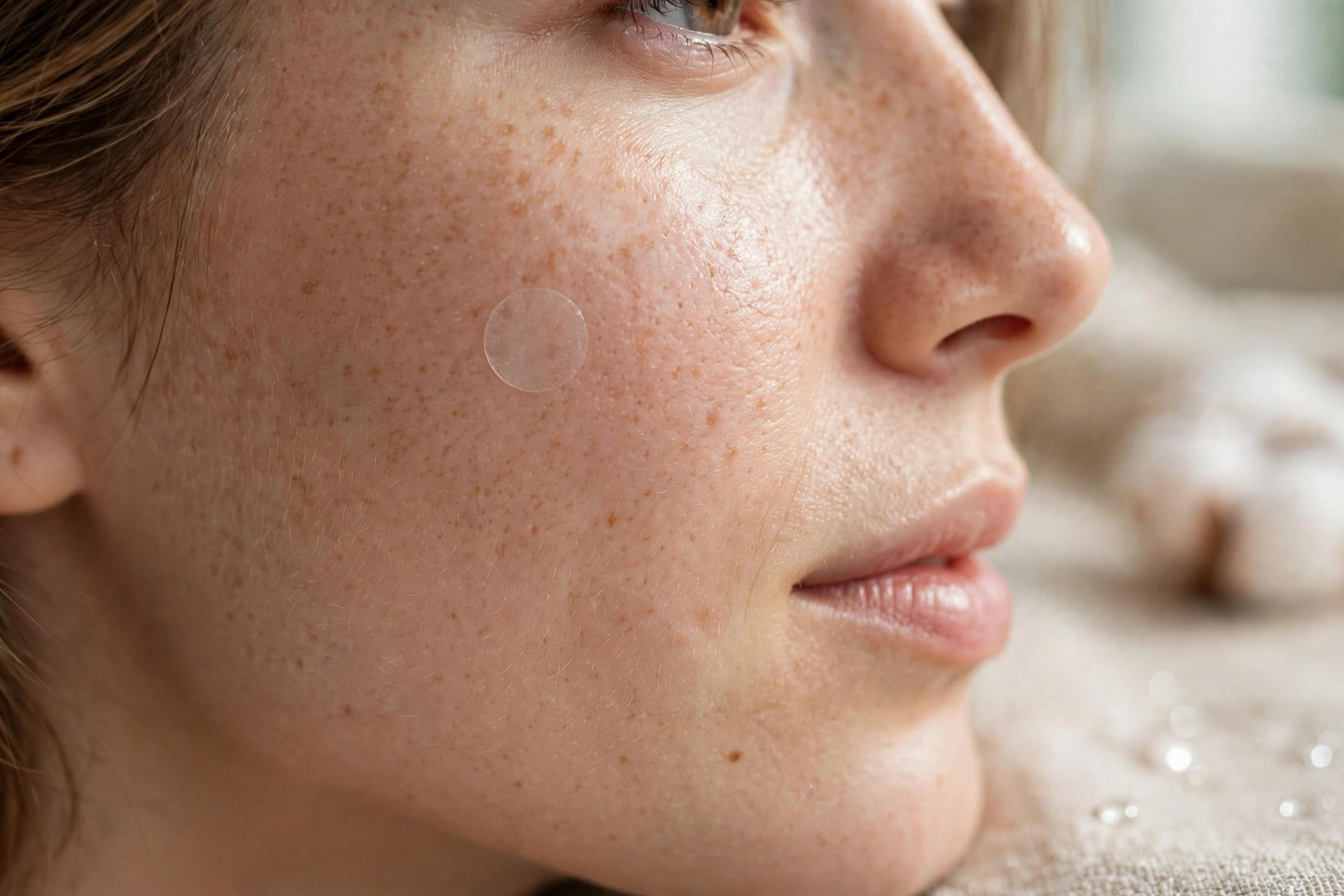
You stuck a little sticker on your breakout before bed and woke up wondering if you left it on too long. If you are asking how long to keep pimple patch on, you are not alone — it is one of the most common questions about this wildly popular acne treatment. The short answer is simple: most pimple patches are designed to stay on for 6 to 8 hours, or overnight. But the full answer depends on the type of patch you are using, what kind of pimple you are treating, and what the patch looks like when you peel it off.
In this guide, we will walk you through exactly how long to wear a pimple patch, when to change it, the mistakes that make patches less effective, and what to do when a patch does not seem to work. By the end, you will know exactly how to get the most out of every patch.
How Long to Keep Pimple Patch On: The Quick Answer
For most hydrocolloid pimple patches — the classic kind you find at the drugstore — the ideal wear time is 6 to 8 hours. That is why most people apply them before bed and remove them in the morning. This gives the patch enough time to draw out fluid, oil, and pus from the pimple.
Some brands say their patches can be worn up to 12 hours, and microdart patches (the ones with tiny dissolving needles that carry ingredients like salicylic acid into the skin) usually recommend 6 hours minimum or overnight wear. The key point: leaving a patch on longer than recommended does not make it work better. Once the patch is saturated — you will notice it turns white and cloudy — it has done its job.
Wear-Time Cheat Sheet by Patch Type
Different patches have slightly different sweet spots:
Hydrocolloid patches (classic): 6 to 8 hours or overnight. These are the workhorses for whiteheads and surface pimples. The hydrocolloid gel absorbs fluid from the pimple, which is why the patch turns opaque white as it works.
Medicated patches (with salicylic acid, niacinamide, or tea tree): 6 to 8 hours. The active ingredients need contact time to penetrate, but over-wearing can irritate the surrounding skin, so follow the package directions.
Microdart patches: At least 6 hours, overnight is best. The microdarts need time to dissolve and deliver ingredients deeper into early-stage or cystic breakouts. Removing them too early wastes the patch.
How Pimple Patches Actually Work
Understanding what is happening under that sticker helps you time it right. Hydrocolloid was originally developed as a wound dressing for hospitals. It creates a moist, protected environment that speeds up healing. When you put one on a pimple, it does three things at once:
First, it absorbs fluid — pus, oil, and excess fluid are drawn out of the blemish into the patch. That is the visible white goo you see in the morning. Second, it protects the pimple from your fingers, pillowcase, and bacteria, which is half the battle with breakouts. Third, it prevents picking, which is honestly the most underrated benefit. Every dermatologist will tell you that picking makes pimples bigger, redder, and more likely to scar.
The American Academy of Dermatology notes that hydrocolloid dressings support healing by keeping the area moist and protected, which is the same principle behind their use on pimples. For more on acne basics, the AAD’s acne skin care tips are a solid starting point.
When to Apply Your Pimple Patch
Timing matters almost as much as wear time. Pimple patches work best on a clean, dry surface. Here is the ideal routine:
1. Wash your face first. Use a gentle cleanser and pat the area dry. Skincare products layered underneath a patch can prevent it from sticking properly, so apply the patch before serums or moisturizer — or at least keep the area under the patch product-free.
2. Apply to the right kind of pimple. Patches shine on pimples that have come to a head — whiteheads and pustules with visible fluid. They can help early-stage bumps too, especially microdart versions, but deep, painful cysts without a head respond more slowly.
3. Press it down firmly. Smooth the edges so the patch seals completely. A good seal keeps the patch in place while you sleep and stops it from peeling off on your pillow.
4. Go to bed. Overnight application is the easiest way to hit the 6-to-8-hour window without thinking about it. If you are wearing one during the day, the ultra-thin versions are nearly invisible.
How to Tell It Is Time to Change the Patch
Your patch will tell you when it is done. The clearest sign is the color change: the patch turns from clear to milky white and puffy as it absorbs fluid. When the white area covers most of the patch, it is saturated and ready to come off.
Other signs it is time for a fresh one:
The edges are peeling up. A lifting patch is no longer sealed, so it is not absorbing much anymore. Peel it off gently and put on a new one if the pimple still needs treatment.
You have hit the 8-hour mark. Even if the patch does not look fully saturated, check the pimple. If it is flatter and calmer, you may be done. If there is still fluid, a fresh patch for another round is fine.
The skin around it feels irritated. Redness or itching around the patch edges means your skin wants a break. Remove it, let the area breathe, and wait a bit before reapplying.
A common follow-up question is whether you need a second patch. For stubborn pimples, two rounds (two overnight applications) is completely normal. If you are going into round three or four with no improvement, the pimple may need a different approach — more on that below.
Common Mistakes That Make Pimple Patches Less Effective
Putting the patch over moisturizer or makeup. Oils and creams break the adhesive seal. The patch slides off or fails to stick, and you lose the whole point. Always apply to bare, clean skin.
Using a patch on a pimple you already popped badly. Patches actually work well on recently popped pimples — they absorb the remaining fluid and protect the open skin. But if you squeezed aggressively and the area is raw or bleeding heavily, give it gentle care first. A hydrocolloid patch is fine once the worst of it has calmed down.
Choosing the wrong patch for the pimple. A flat hydrocolloid patch on a deep, hard cyst with no head will not do much — there is no surface fluid to absorb. That is where microdart patches earn their keep, since they deliver ingredients below the surface. If you deal with painful under-the-skin breakouts often, it is worth learning how long dermaplaning results last too, since gentle exfoliation routines can help keep pores clearer over time.
Peeling the patch off aggressively. Pull it off slowly from the edge, in the direction of hair growth if possible. Yanking can irritate the healing skin underneath and undo the patch’s good work.
Expecting one patch to fix everything. Patches are a spot treatment, not a full acne routine. If you are breaking out regularly, a consistent routine with gentle cleansing and proven ingredients matters far more than any single patch.
Can You Leave a Pimple Patch On Too Long?
Yes — though it is not dangerous, it is unhelpful. Once the patch is saturated, it is essentially a damp sticker sitting on your skin. Leaving it on for 12+ hours can:
Irritate the surrounding skin. The adhesive can cause redness, especially on sensitive skin, when left on far beyond the recommended window.
Soften the skin too much. Prolonged moisture (maceration) makes the skin around the pimple white and wrinkly, like fingers after a long bath. It bounces back, but it is a sign the patch overstayed.
Trap bacteria. A saturated patch is full of the fluid it absorbed. Keeping that against your skin all day does not help healing.
The fix is easy: when the patch turns white and full, swap it or take it off. Set a mental timer — or just make overnight wear your habit so the timing takes care of itself.
What to Do After You Remove the Patch
Peel the patch off gently in the morning and look at the pimple. If it is flatter and the fluid is gone, great — follow with your normal morning routine. A light moisturizer and sunscreen protect the healing spot during the day.
If there is still a raised bump with fluid, apply a fresh patch for the day or plan another overnight round. Between rounds, you can dab on a tiny amount of benzoyl peroxide or salicylic acid spot treatment, but do not layer heavy actives under the patch itself.
Resist the urge to pick at the softened skin where the patch was. The area will look a little pale and wrinkly right after removal — that fades within an hour as the skin dries out normally.
When Pimple Patches Are Not Enough
Patches are fantastic for the occasional whitehead, but they are not a cure for persistent acne. See a dermatologist if:
You are getting deep, painful cysts regularly. You have widespread breakouts across your cheeks, jawline, or back. Patches and over-the-counter products have not helped after 8 to 12 weeks of consistent use. Breakouts are leaving dark marks or scars.
A dermatologist can offer prescription options — retinoids, hormonal treatments, or in-office procedures — that work on acne at its source rather than spot-treating each pimple. Healthline’s acne resource hub covers the full range of treatment options if you want to understand what is out there before your appointment.
Looking Your Best While Breakouts Heal
Here is the thing nobody talks about: acne does not stop your life, and it should not stop you from feeling good about how you look. While patches do their overnight work, the rest of your routine matters too. Clean pillowcases (change them twice a week if you are breakout-prone), hands off your face, and a simple, consistent routine will do more for your skin than any single product.
And remember that clear skin is only one piece of the picture. Our guide on how to look great covers the bigger habits — sleep, grooming, posture, and style — that make the biggest difference in how you come across, breakout or not.
Frequently Asked Questions
Can I wear a pimple patch during the day?
Absolutely. Thin, transparent patches are designed for daytime wear and are barely visible. Just keep the 6-to-8-hour guideline in mind and change the patch when it turns white.
Should I pop the pimple before applying the patch?
No — do not pop it first. Apply the patch to the unpopped pimple and let it draw the fluid out on its own. If you already popped it, a patch still helps by absorbing leftover fluid and protecting the area while it heals.
Can I reuse a pimple patch?
Never. Once a patch has absorbed fluid, it is done — and reusing it would press bacteria right back onto your skin. Always use a fresh patch.
Do pimple patches work on blackheads?
Not really. Blackheads are hardened plugs, not fluid-filled, so there is nothing for the hydrocolloid to absorb. Pore strips or a gentle BHA exfoliant are better options for blackheads.
Can I put makeup over a pimple patch?
Yes — apply the patch first on clean skin, then do your makeup over it. Thin patches disappear under foundation surprisingly well. Just remove makeup gently at night without dragging the patch area.
The bottom line: keep your pimple patch on for 6 to 8 hours or overnight, change it when it turns white and saturated, and always apply it to clean, dry skin. Do that consistently, and those little stickers will become one of the most reliable tools in your skincare routine.



