
How to Choose Concealer Shade: A Simple Step-by-Step Guide
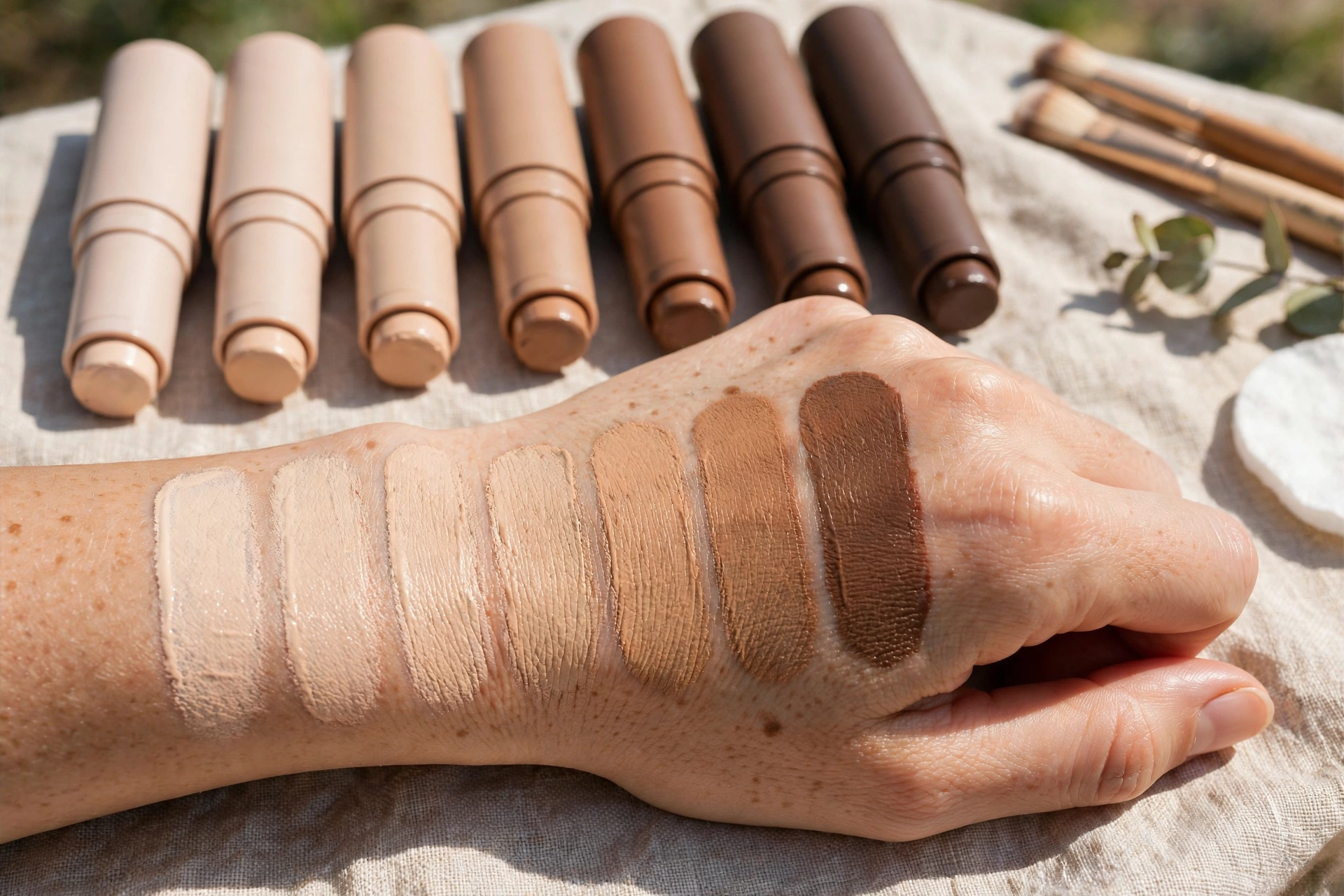
Walk into any beauty aisle and you will face a wall of concealer shades with names like “Light Beige,” “Warm Honey,” and “Porcelain 01.” Picking the wrong one is one of the most common makeup mistakes, leaving you with obvious patches, gray under-eyes, or a cakey finish. Learning how to choose concealer shade correctly makes everything else in your routine look better.
This guide walks you through the process step by step: finding your undertone, picking different shades for different jobs, testing properly, and avoiding the mistakes almost everyone makes.
First, Know Your Skin Undertone
Your skin tone is how light or dark your skin is. Your undertone is the subtle color beneath the surface, and it is what actually determines which concealer shades look natural on you. There are three main undertones:
- Warm: golden, yellow, or peachy hints. Veins on your wrist look greenish, and gold jewelry flatters you.
- Cool: pink, red, or blue hints. Veins look bluish or purple, and silver jewelry suits you better.
- Neutral: a mix of warm and cool. Both gold and silver jewelry look fine, and your veins are hard to categorize.
Why does this matter? A concealer with the wrong undertone will look wrong even if the lightness is right. A warm concealer on cool skin looks orange. A cool concealer on warm skin looks ashy. Match the undertone first, then the depth.
One Shade Does Not Do Everything
Here is the secret most beginners miss: you need different concealer shades for different purposes. Understanding how to choose concealer colour for each job is what separates a natural look from an obvious one.
For Blemishes and Spots
Choose a concealer that matches your skin tone exactly, in both depth and undertone. The goal is to make the spot disappear into the surrounding skin. Going lighter here highlights the bump instead of hiding it.
For Under-Eye Circles
Go one to two shades lighter than your skin tone. This brightens the area and reflects light, which makes you look more awake. If your dark circles are very pronounced, start with a peach or salmon color corrector underneath, then layer your brightening concealer on top.
For Highlighting and Contouring
If you use concealer to highlight the center of your face, go two to three shades lighter than your skin. Apply it to the bridge of the nose, center of the forehead, and chin, then blend well. For contouring, use a shade two to three tones deeper with a neutral or cool undertone.
How to Test Concealer Shades Properly
Swatch on Your Jawline, Not Your Hand
The back of your hand is a different color than your face, so testing there is misleading. Swipe three candidate shades along your jawline, where your face meets your neck. The shade that disappears into your skin is the right match for blemishes.
Check in Natural Light
Store lighting is designed to flatter, not to be honest. Step outside or near a window and check the swatches in daylight. A shade that looked perfect under store lights can look orange or gray in the sun.
Let It Dry Down
Liquid concealers often darken slightly as they dry, a process called oxidation. Wait 5 to 10 minutes after swatching before judging the color. What looks right when wet may be a shade too dark when set.
Test Under-Eye Shades Separately
The skin under your eyes is thinner and often darker than the rest of your face. Test brightening shades right under the eye, not on the jawline. Blend a small amount and check whether it brightens without looking chalky.
Matching Concealer to Your Foundation
Your concealer and foundation should be from the same undertone family. If your foundation is warm-toned, your concealer should be too. Mixing a warm foundation with a cool concealer creates visible patches where they overlap.
When buying both at once, test them side by side on your jawline. The foundation should match your skin exactly, and the concealer should be one shade lighter for under-eyes or an exact match for spots.
Common Concealer Shade Mistakes
Going Too Light
The most common error is choosing a concealer three or four shades too light, hoping for maximum brightness. Instead of glowing, you get reverse raccoon eyes: obvious white patches that draw more attention than the dark circles did. One to two shades lighter is plenty.
Ignoring Seasonal Changes
Your skin tone changes through the year. The concealer that matched perfectly in February may be too light by August. Many people keep two shades, one for winter and one for summer, and mix them in spring and fall.
Using One Concealer for Everything
That exact-match spot concealer will not brighten your under-eyes, and the brightening shade will make blemishes stand out. Budget for at least two: one exact match and one brightening shade.
Forgetting About Undertone in Drugstore Shades
Drugstore ranges often use letters like W (warm), N (neutral), and C (cool) in shade names. Pay attention to these codes, because they tell you the undertone. Two shades with the same number but different letters can look completely different on your skin.
Choosing the Right Formula for Your Skin Type
Shade is only half the battle. The formula affects how the color looks once applied:
- Dry skin: creamy or hydrating liquid concealers. Matte formulas can cling to dry patches and emphasize texture.
- Oily skin: matte or long-wear formulas that resist sliding. Set with a light powder to lock the shade in place.
- Mature skin: lightweight, moisturizing formulas. Heavy concealers settle into fine lines and make the shade look uneven.
- Acne-prone skin: non-comedogenic formulas. Check ingredient lists, since heavy fragrances and oils can trigger breakouts. The American Academy of Dermatology on cosmetic safety recommends choosing products labeled non-comedogenic if you break out easily.
Application Tips That Make the Shade Look Right
Even the perfect shade looks wrong if applied badly. Warm the concealer on the back of your hand first, then apply in thin layers, building coverage gradually. Thick layers look cakey no matter how good the color match is.
Blend the edges thoroughly so there is no visible line where the concealer stops. A damp makeup sponge gives the most natural finish. Set under-eye concealer with a tiny amount of translucent powder to prevent creasing, but go easy: too much powder changes how the shade reads.
For a full breakdown of testing methods, Healthline’s guide to choosing makeup shades covers foundation matching, and the same principles apply to concealer.
Quick Shade-Picking Cheat Sheet
- Fair skin: look for porcelain, ivory, or light shades with pink (cool) or neutral undertones.
- Light to medium skin: light beige, sand, or buff shades; check whether warm or neutral suits you.
- Medium to tan skin: honey, caramel, or golden beige; warm undertones are common here.
- Deep skin: chestnut, espresso, or rich cocoa; avoid shades that look gray, which means the undertone is wrong.
The Bottom Line
Knowing how to choose concealer shade comes down to three steps: identify your undertone, pick different shades for spots versus under-eyes, and test in natural light before you buy. Get those right and your concealer becomes invisible in the best way. Pair it with simple habits that make your whole face look great, and your whole routine gets easier.



