Is Buying Land a Good Investment for Beginners?
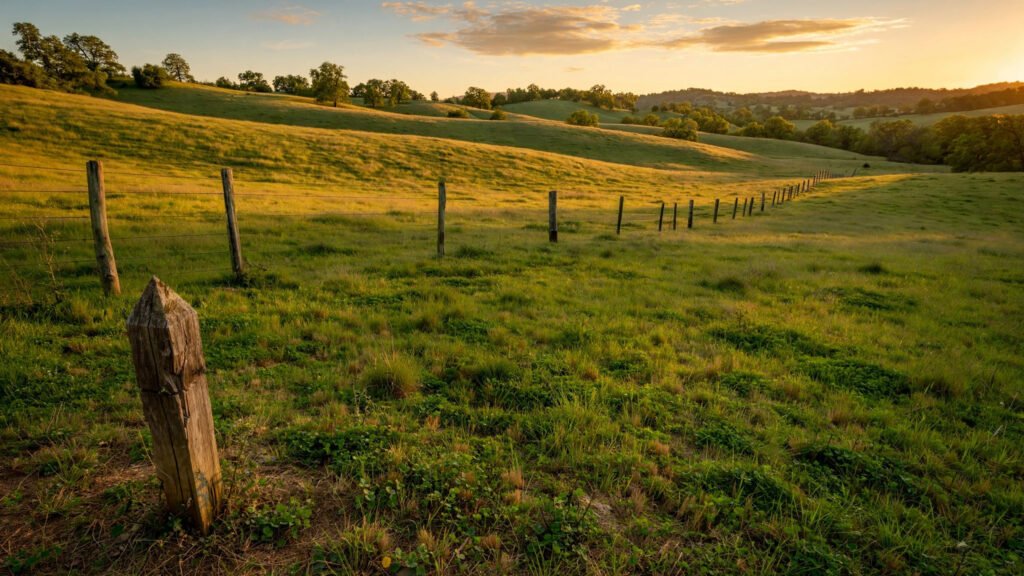
Somewhere between the stock market’s abstractions and a rental property’s toilets sits an investment Americans have romanticized for generations: land. Raw, empty, quietly appreciating land. The pitch is seductive — “they’re not making any more of it” — and in 2026, with remote work untethering people from cities and outdoor recreation booming, raw land is having a moment. But buying dirt is nothing like buying a house, and the beginners who thrive are the ones who understand the differences before the closing table.
This guide covers why land can be a good investment, the ways land actually makes money, the risks specific to raw land, how to evaluate a parcel like a professional, and who should (and shouldn’t) buy.
Why Land Appeals to Beginners
Land’s attractions are real. There’s no structure to maintain — no roof, no plumbing, no tenants calling at midnight. Property taxes on rural land are often trivially low. And the carrying costs that bleed rental-property beginners (insurance, repairs, vacancies) barely exist. For a buy-and-hold investor, land is the lowest-maintenance real asset available.
The macro tailwinds are genuine too: population growth, remote-work migration to rural areas, and recreational demand (hunting, camping, homesteading) have all supported rural land values in many American markets. Unlike a house, land can’t become functionally obsolete — dirt doesn’t need renovating. Houses need constant capital just to stand still; land mostly needs patience.
How Land Actually Makes Money (Four Paths)
1. Appreciation: buy low, wait, sell higher
The classic play — buying in the path of growth. Land near expanding suburbs, new infrastructure, or rezoning corridors can appreciate dramatically. The skill is location analysis: studying county growth plans, infrastructure projects, and demographic trends. The risk: “path of growth” predictions are often wrong, and waiting decades for appreciation that never comes is the most common land-investing disappointment.
2. Subdividing and developing
Buying a large parcel, splitting it into smaller lots, and selling them individually — the value-add strategy of land investing. The spreads can be excellent, but this is an active business requiring surveys, legal work, and often infrastructure (roads, utilities). Not a passive beginner move, but the natural graduation for those who start simple.
3. Income: timber, agriculture, leasing, recreation
Land can cash-flow: timber harvests on forested parcels, leasing to farmers or ranchers, hunting leases (surprisingly lucrative in many states), billboard or cell-tower leases, and even RV/ campground income. These streams are modest but real — and they can cover carrying costs while you wait for appreciation, transforming the economics entirely.
4. Personal use with investment upside
The hybrid many beginners actually want: a parcel for camping, hunting, or a future homestead that also appreciates. This isn’t pure investing — you’re consuming some of the return as enjoyment — but it’s often the most satisfying path. Just be honest that the “investment” framing partly justifies a lifestyle purchase, and size it accordingly.
The Risks Nobody Mentions at the Seminar
Land’s risks are different from housing’s, and beginners consistently underestimate them:
Illiquidity. Land can take months or years to sell — there’s no hot market with bidding wars for most rural parcels. If you might need the money within five years, don’t buy land.
Zero cash flow by default. Unlike rentals, raw land typically pays nothing while you hold it. Every year of taxes and opportunity cost compounds against your eventual sale price. Calculate your true break-even including years of carrying costs, not just the purchase price.
Zoning and restrictions. That cheap parcel might be unbuildable — floodplain, protected wetlands, no septic approval, or zoning that prohibits your intended use. Always verify zoning, easements, and buildability with the county before buying, not after. Title issues and access problems (landlocked parcels with no legal road access) are the classic beginner traps.
Financing difficulty. Banks dislike raw land — expect large down payments (often 30–50%), higher rates, and shorter terms than residential mortgages. Many land deals are cash or seller-financed, which concentrates your capital in an illiquid asset.
Scams and overpricing. Remote parcels sold sight-unseen to out-of-state buyers are a known scam vector. Never buy land you haven’t walked (or had a trusted local walk), and verify comparable sales — rural comps are thin, which is exactly what overpricers exploit. HUD’s guidance on buying property safely applies doubly to sight-unseen land deals.
How to Evaluate a Parcel Like a Professional
Run this checklist on every candidate: Access — legal, physical road access (not just a dirt track across someone else’s property). Utilities — distance to power, water, and septic feasibility; extending utilities can cost more than the land. Zoning and restrictions — confirmed with the county planning office, in writing. Topography and flood risk — check FEMA flood maps; beautiful bottomland that floods annually is a liability. Title — clean title with title insurance, always. Comps — recent sales of similar nearby parcels, not asking prices. Taxes and carrying costs — projected for your entire planned hold period.
Then visit. Walk the boundaries. Talk to neighbors — they’ll tell you about flooding, access disputes, and area trends that no listing mentions. Understanding what land maintenance actually involves grounds your cost projections in reality rather than fantasy.
Who Should Buy Land (and Who Shouldn’t)
Land suits: patient investors with 10+ year horizons, cash buyers who won’t need the capital, people who want recreational use alongside investment, and those diversifying beyond stocks who understand illiquidity. It doesn’t suit: anyone needing cash flow, anyone who might need the money within five years, or anyone unwilling to do location homework — land rewards research and punishes impulse like nothing else in real estate.
The U.S. Department of Agriculture publishes data and resources on rural land values, agricultural leasing, and conservation programs.
Conclusion
Buying land can be a good investment for beginners in America — the low maintenance, low carrying costs, and genuine appreciation potential are real advantages. But it’s a specialist’s game disguised as a simple one: the money is made in location analysis, due diligence on zoning and access, and the patience to hold through illiquidity. Walk the land, verify everything with the county, never buy sight-unseen, and only invest capital you won’t miss for a decade. Do that, and dirt can be a beautifully boring wealth-builder. Skip the homework, and it’s just an expensive lesson in why “they’re not making any more of it” was never the whole story.
Frequently Asked Questions
How much money do I need to start investing in land?
Rural parcels in many states start in the low five figures, but factor in 30–50% down payments for financed deals, closing costs, surveys, and years of carrying costs. Realistic entry for a decent parcel with verified access and buildability is often $20,000–$50,000+ all-in.
Is land a better investment than stocks?
Different, not better. Stocks offer liquidity, diversification, and historical ~10% annual returns with minimal effort. Land offers tangibility, low correlation to markets, and potential use value — but with illiquidity, concentration risk, and active management needs. Most investors should own stocks first and consider land as diversification.
Can I build on any land I buy?
Absolutely not — buildability depends on zoning, septic feasibility, floodplain status, easements, and local regulations. Never assume; verify with the county planning office before purchasing, and get critical answers in writing.
How do I find good land deals?
County tax auctions, direct mail to owners of vacant parcels, local real estate agents specializing in land, and driving target areas looking for neglected parcels. The best deals rarely hit public listing sites — they go to buyers who’ve done local homework.
What are the ongoing costs of owning raw land?
Property taxes (often low for rural/agricultural land), liability insurance (recommended), basic maintenance (clearing, fence repair, noxious weed control where required by law), and the opportunity cost of tied-up capital. Budget these annually — they’re the quiet drag on returns.