
What Is the Best Flooring for Homes with Dogs
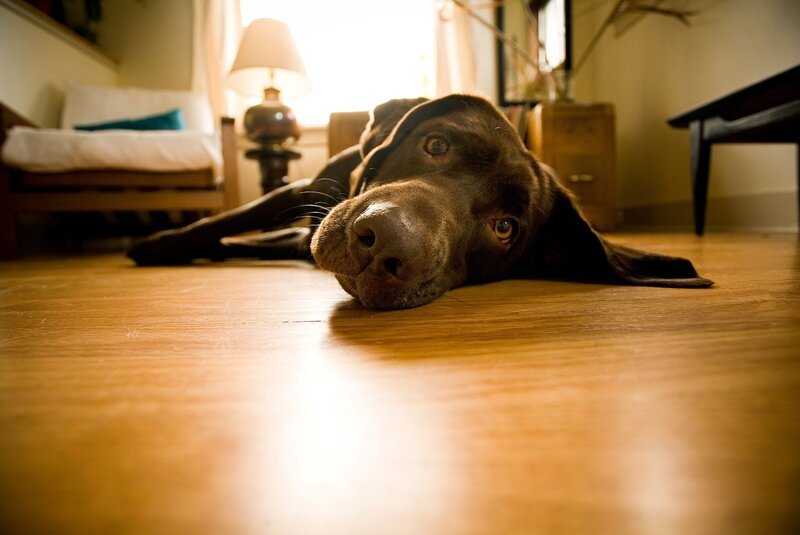
Dogs are wonderful. Dogs’ claws on the wrong flooring are not. When I got my second dog — a 70-pound enthusiast who believes every entrance deserves a full-speed arrival — my beautiful hardwood floors started looking like a crime scene within months. Scratches, dents, the occasional accident that seeped into the seams. I replaced the flooring, and the second time around I did my homework.
If you share your home with dogs, your flooring choice matters enormously. Here’s what actually holds up to claws, muddy paws, and the occasional accident — and what to avoid.
What Is the Best Flooring for Homes With Dogs?
The short answer: luxury vinyl plank (LVP) is the best all-around choice for most dog owners. It’s waterproof, scratch-resistant, comfortable underfoot, and looks convincingly like wood. But it’s not the only good option, and the right pick depends on your dogs, your budget, and your style.
The Top Contenders, Ranked
1. Luxury Vinyl Plank (LVP) — Best Overall
LVP has become the default recommendation for pet owners, and for good reason. It’s 100 percent waterproof (accidents wipe up without seeping), the wear layer resists scratches from all but the most determined claws, and it’s warmer and quieter underfoot than tile. Quality LVP runs $3–$7 per square foot installed, and the wood-look options are genuinely convincing now. Look for a wear layer of at least 20 mil for homes with large or active dogs. The main downside: cheap LVP can look plasticky, so don’t go for the bargain-bin stuff.
2. Tile (Porcelain or Ceramic) — Most Durable
Nothing beats tile for pure toughness. Claws can’t scratch porcelain, water can’t hurt it, and it lasts decades. It’s the ideal choice for entryways, mudrooms, and kitchens — the high-traffic, high-mess zones. Downsides: it’s hard and cold underfoot (uncomfortable for older dogs’ joints), it’s slippery when wet, and dropped items shatter. Cost: $5–$15 per square foot installed. If you go tile in living areas, add area rugs for traction and comfort.
3. Laminate — Good Budget Option
Modern laminate is far tougher than the stuff from the 90s. Quality laminate with a high AC rating (AC4 or AC5) resists scratches well and costs just $2–$5 per square foot installed. The catch: it’s not waterproof — only water-resistant. A house-trained dog is fine; a puppy in training or a senior dog with accidents is a risk, because liquid seeping into seams causes swelling. If you choose laminate, wipe up spills immediately.
4. Engineered Hardwood — For the Committed
If you can’t give up real wood, engineered hardwood with a tough finish (aluminum oxide) is your best bet — harder than solid hardwood and more dimensionally stable. Choose harder species (hickory, white oak) and distressed or wire-brushed finishes that hide scratches. But be honest with yourself: it will show wear eventually. Cost: $6–$12 per square foot installed.
What to Avoid
- Solid hardwood with soft finishes — beautiful, but large dogs will destroy it. If you already have it, rugs in traffic paths help.
- Carpet — traps odors, stains permanently, harbors allergens, and no vacuum fully deodorizes it. If you must have carpet, use washable area rugs over hard flooring instead.
- Cheap sheet vinyl — tears under claws and looks it within a year.
Practical Tips for Dog Owners
Beyond the flooring material itself, a few things make a big difference. Keep your dogs’ nails trimmed — this alone dramatically reduces scratching on any floor. Place washable rugs or runners in high-traffic paths and at entryways where muddy paws land first. Use a good enzymatic cleaner for accidents (regular cleaners mask odor; enzymatic ones eliminate it). And consider your dog’s age: senior dogs need traction, so rugs over slippery tile or LVP prevent scary slips.
If you’re tackling multiple pet-related home updates, our guide to removing old carpet stains can help with existing damage, and installing laminate flooring over tile covers a popular upgrade path.
Cost Comparison at a Glance
For a 1,000-square-foot installation: laminate runs roughly $2,000–$5,000; LVP $3,000–$7,000; tile $5,000–$15,000; engineered hardwood $6,000–$12,000. These are installed prices including basic underlayment but not subfloor repairs. Get multiple quotes — flooring bids vary widely, and big-box stores’ installation services aren’t always the cheapest option. For independent product testing, Consumer Reports rates flooring durability including pet-specific considerations.
Installation Considerations for Pet Owners
If you’re installing new flooring yourself, a few pet-specific details matter. With LVP, choose a rigid-core product with attached underlayment — it handles subfloor imperfections better and feels more solid underfoot, which dogs appreciate. Acclimate the planks in the room for 48 hours before installation; skipping this causes gaps later.
Pay attention to transitions between rooms. Dogs trip on raised transition strips, and so do humans. Use low-profile transitions or, better yet, run the same flooring continuously through adjacent spaces for a seamless surface that’s easier to clean and safer for everyone.
For tile installations, choose textured or matte finishes rather than polished — polished tile plus excited dog equals a slipping hazard. Larger tiles mean fewer grout lines to clean, but very large tiles can feel slippery too; a medium format with a bit of texture is the sweet spot. And seal your grout. Unsealed grout absorbs everything — mud, accidents, odors — and once it’s stained, it’s stained.
One more thing: if you’re replacing carpet, check what’s underneath before you order materials. I’ve seen beautiful hardwood hiding under 90s carpet, which changes the project entirely. A quick peek under a corner in a closet costs nothing.
Practical Takeaway
For most dog owners, luxury vinyl plank with a thick wear layer is the sweet spot of durability, waterproofing, comfort, and cost. Tile wins for pure toughness in mess-prone zones; laminate works on a budget for house-trained dogs. Whatever you choose, keep nails trimmed, use washable rugs in traffic paths, and clean accidents with enzymatic cleaners. The right floor means you spend your time enjoying your dogs, not repairing the damage they do. Choose once, choose well, and get back to the important stuff — the dogs.





2 thoughts on “What Is the Best Flooring for Homes with Dogs”