
How Can I Make My Home More Energy Efficient This Winter
Winter energy bills are the worst kind of surprise — you don’t feel the waste happening, you just get the statement. My first winter in an older home, the heating bill nearly doubled my summer electric, and I realized the house was essentially heating the neighborhood. The fix wasn’t a new furnace (though that’s sometimes warranted). It was a systematic attack on heat loss, most of which cost little or nothing.
Here’s how to make your home more energy efficient this winter, from free habit changes to weekend projects that pay for themselves by spring.
How Can I Make My Home More Energy Efficient This Winter?
Winter efficiency has a simple logic: keep the heat you generate inside, generate heat efficiently, and don’t heat what you don’t need to. Every tip below serves one of those three goals, ordered from cheapest and easiest upward.
Free Changes: Start Today
- Lower the thermostat. Each degree you drop saves roughly 3 percent on heating. Going from 72°F to 68°F saves about 12 percent — and you adapt within days. Wear the sweater; it’s free money.
- Use your thermostat’s schedule. Drop to 60–62°F overnight and while you’re at work. A programmable or smart thermostat ($30–$250) does this automatically — if you don’t have one, it’s the fastest-payback purchase on this list.
- Open south-facing curtains during the day, close all curtains at night. Free solar heating by day; an extra insulation layer by night. This alone makes a noticeable difference in sunny climates.
- Close the fireplace damper when the fireplace isn’t in use. An open damper is a 4-foot hole in your roof leaking warm air 24/7.
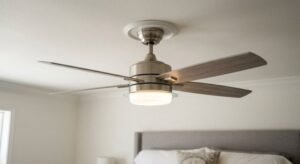
- Reverse ceiling fans to clockwise at low speed (see our ceiling fan installation guide) to push warm air down from the ceiling.
- Close doors to unused rooms — but don’t close vents in those rooms if you have forced air; it increases duct pressure and can damage the system.
Weekend Projects Under $100
Weatherstrip doors and windows. Feel for drafts with your hand on a windy day (or use a lit incense stick — the smoke wavers at leaks). Adhesive foam weatherstripping ($5–$10 per door), V-strip for window sashes ($8–$12 per window), and door sweeps ($10–$15) seal the worst offenders in an afternoon. Our detailed guide to weatherproofing windows for winter covers the full process.
Seal obvious air leaks. Caulk around window frames, seal gaps where plumbing and wiring enter the house, and cover the attic hatch with an insulated tent ($50–$80) — it’s often the single biggest leak in the house. A few tubes of caulk and a can of spray foam ($5–$8 each) handle most of it.
Insulate hot water pipes in unheated spaces (basement, crawl space, garage) with foam pipe sleeves ($3–$5 per 6-foot length). You get hotter water faster, which means less water wasted waiting for it to warm up.
Bigger Projects Worth Doing Before Deep Winter
Service your heating system. An annual furnace or boiler tune-up ($80–$150) keeps it running at peak efficiency and catches problems before they become mid-January emergencies. Replace the furnace filter monthly during heating season — a clogged filter makes the system work harder and can cause overheating shutdowns.
Bleed radiators if you have hot-water heat — trapped air prevents full heating, and bleeding takes minutes with a radiator key ($5). Balance the system by partially closing vents or radiator valves in overheated rooms so warmth reaches cold ones.
Check attic insulation depth. If you can see joists, you’re losing serious heat upward. Blowing in additional insulation is a one-day DIY project ($500–$1,500 in materials for most homes) that pays back in 2–3 heating seasons. See our guide to knowing if your home needs new insulation for the full assessment.
Heating Smarter, Not Harder
Space heaters make sense for heating one occupied room rather than the whole house — but they’re expensive per BTU, so use them strategically (a home office during the day, not the whole house all winter). Electric blankets and heated mattress pads ($40–$100) let you drop the nighttime thermostat dramatically while sleeping warmer than ever — one of the best comfort-per-dollar purchases in existence.
If your heating system is 15+ years old, start planning its replacement: modern cold-climate heat pumps cut heating energy use dramatically versus old furnaces, and federal tax credits plus utility rebates can cover 30–50 percent of the cost. Our guide to energy-efficient upgrades for older homes covers the full picture including incentives.
Don’t Forget Humidity
Winter air is dry, and dry air feels colder — 68°F at 20 percent humidity feels chillier than 68°F at 40 percent. Running a humidifier to keep indoor humidity at 30–40 percent lets you set the thermostat 2–3 degrees lower with the same comfort. It also reduces static, protects wood furniture and floors from drying out, and is easier on your skin and sinuses. Just don’t over-humidify — above 50 percent risks condensation on cold windows.
What About the Water Bill?
Winter efficiency isn’t just heating. Shorten showers (every minute less saves roughly 2.5 gallons of hot water), fix dripping hot-water faucets promptly (our leaky faucet guide makes it a 30-minute fix), and wash laundry in cold water — modern detergents work fine, and 90 percent of a washer’s energy goes to heating water.
Watch for Ice Dams
Ice dams — ridges of ice at the roof edge that trap melting snow — are both an efficiency symptom and a damage risk. They form when heat escaping into the attic melts roof snow, which refreezes at the cold eaves. The trapped water can back up under shingles and leak into walls. Prevention is the same as efficiency: seal attic air leaks and ensure adequate insulation so the roof stays cold. In the short term, a roof rake ($40–$60) lets you pull snow off the lower roof from the ground after heavy storms. Never chip at ice dams with tools — you’ll damage shingles. If you already have significant damming, calcium chloride ice-melt socks laid across the dam create drainage channels safely.
Practical Takeaway
Drop the thermostat and use its schedule, harvest free solar heat by day and trap it with curtains by night, weatherstrip and seal leaks for under $100, service your heating system, insulate where it’s thin, and humidify to feel warmer at lower temperatures. Most of this costs little or nothing, and the combined effect can cut winter energy bills by 20–30 percent. Start with the free stuff today — your January self will thank you. The Department of Energy’s Energy Saver guide has room-by-room checklists for going further.






1 thought on “How Can I Make My Home More Energy Efficient This Winter”