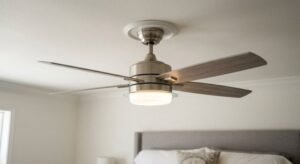
How Can I Prevent Mold in My Bathroom
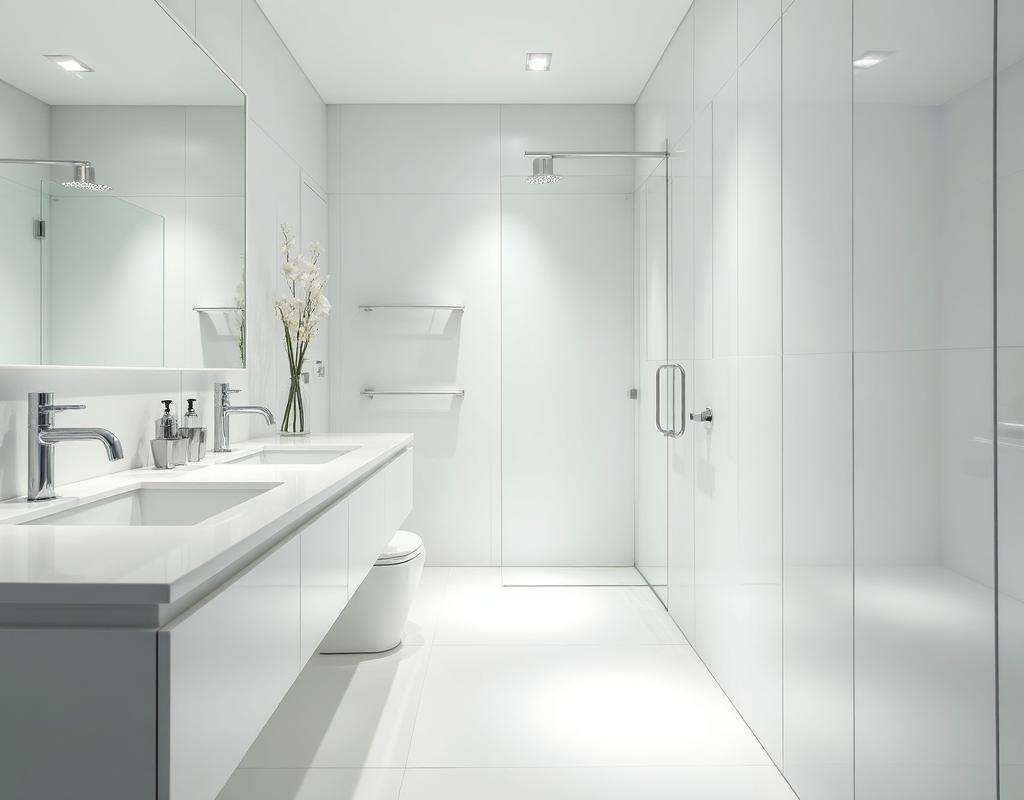
Bathroom mold is the uninvited guest that never leaves on its own. Those black spots creeping along the grout, the musty smell when you walk in, the pink film on the shower curtain — I’ve dealt with all of it across several bathrooms, and I’ve learned that fighting mold with bleach alone is like mopping the floor while the sink overflows. You have to fix the moisture problem, not just the mold.
Here’s how to prevent mold in your bathroom for good — not just clean it temporarily.
How Can I Prevent Mold in My Bathroom?
Mold needs three things: moisture, warmth, and organic material to feed on (soap scum, dust, even the paper backing of drywall). Bathrooms supply all three generously. Prevention means attacking the moisture — eliminate standing water and humidity, and mold simply can’t grow, no matter how warm the room is.
1. Ventilate Like You Mean It
The exhaust fan is the single most important mold-prevention device in your bathroom. But most people use it wrong:
- Run it during every shower and for 20–30 minutes after. The moisture lingers long after you step out — running the fan only during the shower misses most of it. Install a timer switch ($20–$30) so it runs automatically without you remembering.
- Make sure it actually vents outside. Shockingly, many fans vent into the attic, which just moves the mold problem upstairs. Check where yours terminates.
- Size it correctly. You need roughly 1 CFM per square foot of bathroom (a 50 sq ft bath needs a 50 CFM fan minimum). Old, weak, or clogged fans move a fraction of their rated airflow — clean the cover and fan blades yearly, and replace fans older than 10 years.
- Crack a window when weather allows. Cross-ventilation clears humidity faster than a fan alone.
If your bathroom has no exhaust fan, installing one is the highest-impact mold prevention project you can do — typically $200–$400 professionally installed, less DIY if attic access is easy.
2. Eliminate Standing Water
Mold colonies start where water sits. After every shower: squeegee the walls and glass (30 seconds, enormous payoff), wring out and hang washcloths and loofahs where they can dry (not in a pile on the tub edge), shake out the shower curtain and leave it spread open (bunched curtains stay wet for days), and wipe up puddles on the floor and counter.
Fix leaks promptly — a dripping faucet, a sweating toilet tank, a slow drain leak under the sink. Chronic small leaks create permanently damp zones where mold thrives behind the scenes. Our guide to fixing a leaky faucet handles the most common culprit.
3. Choose Mold-Resistant Materials
When renovating or refreshing, choose materials that resist mold:
- Mold-resistant drywall (often called green board or purple board) for bathroom walls — it has a fiberglass facing instead of paper, removing mold’s food source.
- Semi-gloss or satin paint with mildew-resistant additives, formulated for bathrooms. Flat paint in a bathroom is a mold invitation.
- Epoxy grout instead of cement grout in showers — it’s non-porous, so mold can’t root into it.
- Proper caulk: use 100 percent silicone caulk (not latex) around tubs and showers, and replace it when it cracks or peels — failed caulk lets water behind surfaces where mold grows unseen. See our guide to the best caulk for bathtubs.
4. Clean Strategically
Regular cleaning removes the soap scum and body oils that mold feeds on. Weekly: spray shower surfaces with a daily shower cleaner or a 1:1 water-vinegar solution (not on natural stone), scrub grout lines monthly, and wash shower curtains and bath mats regularly — they’re mold magnets. Wash towels every 3–4 uses; damp towels left in a humid bathroom mildew fast.
For existing mold on hard surfaces, scrub with a borax solution (1 cup per gallon of hot water) or a commercial mold remover — borax inhibits regrowth better than bleach, which kills surface mold but leaves roots in porous materials. On porous materials (caulk, drywall) with deep mold, replacement beats cleaning — cut out and replace moldy caulk, and replace moldy drywall sections rather than painting over them.
5. Control Humidity Throughout the Home
Bathroom mold is worse when whole-house humidity is high. Keep indoor humidity at 30–50 percent: run a dehumidifier in damp climates or seasons, ensure the dryer vents outside (not into the house), fix any plumbing leaks promptly, and make sure the attic and crawl space are ventilated. A $15 hygrometer tells you where you stand — measure the bathroom an hour after a shower; if it’s still above 60 percent, your ventilation needs work.
When Mold Indicates a Bigger Problem
Call a professional if: mold covers more than about 10 square feet (the EPA’s threshold for DIY), mold keeps returning in the same spot despite fixing moisture (suggesting hidden water intrusion), you smell mustiness but can’t find the source (mold behind walls or under flooring), or anyone in the household has respiratory issues, allergies, or immune compromise — disturbing large mold colonies releases spores, and remediation pros contain them properly.
Hidden mold often traces to plumbing leaks inside walls, roof leaks dripping into bathroom ceilings, or failed shower waterproofing. If the bathroom is part of a bigger renovation plan, our guide to small bathroom remodel costs helps you budget a proper fix.
The Two-Minute Daily Routine
Everything above sounds like a lot until you compress it into a habit. Here’s the entire daily mold-prevention routine: after your shower, squeegee the walls (30 seconds), shake out and spread the shower curtain (10 seconds), hang up washcloths (10 seconds), and leave the fan running on its timer (0 seconds of your time). That’s under a minute of actual effort. Weekly, spend five minutes spraying shower surfaces and wiping the sink area. Monthly, check caulk lines and scrub grout. This tiny investment of attention prevents the multi-hour mold remediation projects that happen when moisture goes unmanaged for months.
Practical Takeaway
Run the exhaust fan 30 minutes past every shower (install a timer so you don’t have to remember), squeegee walls and spread the shower curtain after each use, fix leaks immediately, choose mold-resistant materials when renovating, clean soap scum regularly, and keep humidity under 50 percent. Mold prevention isn’t one big project — it’s a handful of small habits plus proper ventilation. Get the moisture right and the mold never gets started. The EPA’s mold resources offer authoritative guidance on remediation thresholds and health considerations.